















History of the Dredging Quality Management Program
From Innovation to a National Standard
The history of the National Dredging Quality Management (DQM) Program reflects the U.S. Army Corps of Engineers’ broader evolution in managing dredging operations through technology, data, and standardized oversight. What began as an innovative effort to modernize monitoring and improve contract accountability gradually expanded into a nationwide program that supports operational efficiency, environmental stewardship, and transparency across federal and permitted dredging projects.
Program Evolution
What began as a conceptual research project to address manpower shortages has grown into a mandatory, nationwide standard for ensuring the integrity, efficiency, and environmental sustainability of federal and permitted dredging projects.
Origins: The "Silent Inspector" (1980s–1990s)
The impetus for automated monitoring began in the 1970s and 1980s. Following a 1976 reduction in the government-owned dredge fleet, USACE transitioned from being the primary operator of dredging equipment to functioning as a contract administrator. This shift, combined with reduced inspector manpower, created a need for objective, automated oversight.
In 1986, the concept of the "Silent Inspector" (SI) was published, proposing an onboard system to continuously record dredging parameters without constant human presence. Development officially began in 1989 under the Dredging Research Program (DRP) at the Engineering Research and Development Center (ERDC).
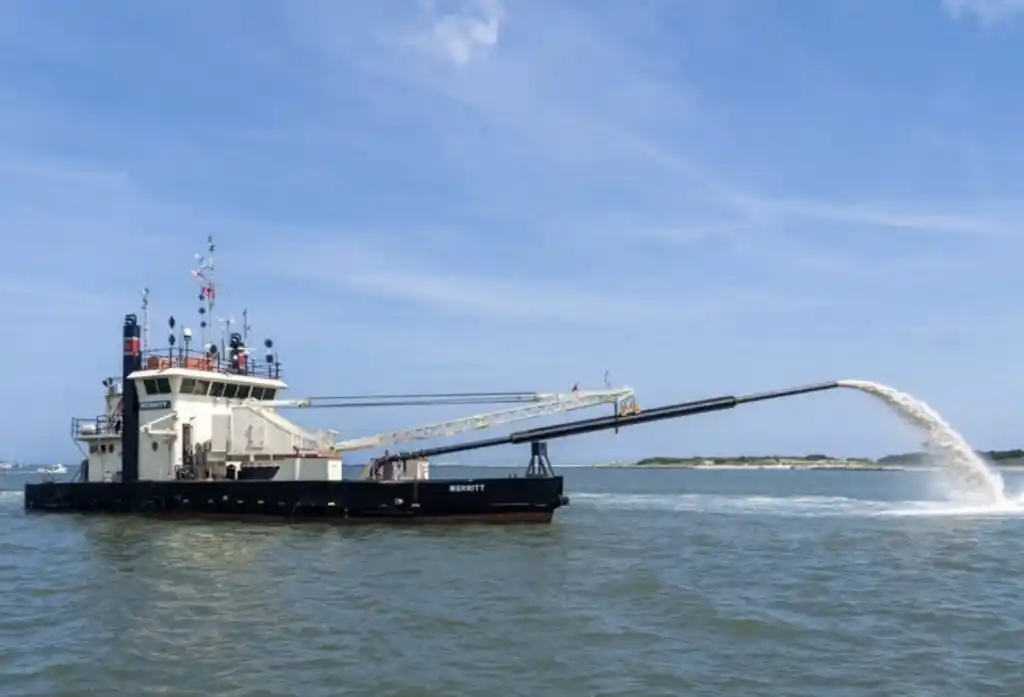
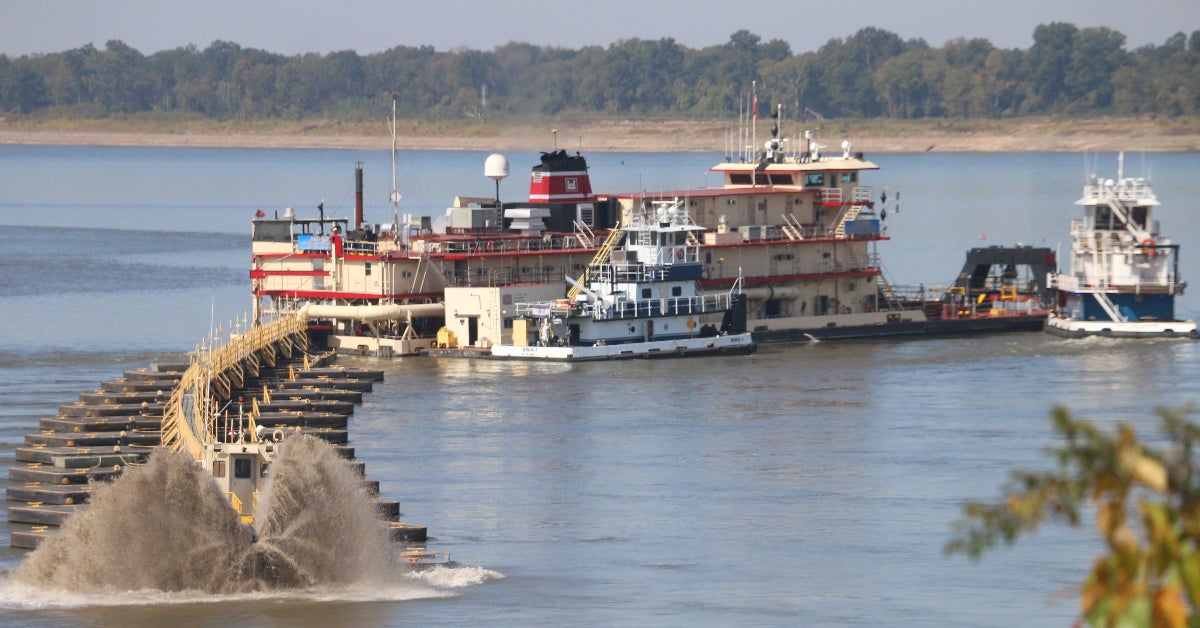
In 1992, the system's initial operating capability was successfully demonstrated on the government hopper dredge Essayons. In 1999, the first contractor-owned hopper dredge utilized the SI system in the Mobile District. In the early 2000s, the technology diffused across the agency, with early adoption in the New Orleans, Portland, and Jacksonville Districts.
National Implementation (2006)
While early adoption was successful, it was optional and fragmented, leading to inconsistent requirements for contractors moving between districts. This era ended on April 17, 2006, when the USACE Director of Civil Works issued a memorandum mandating the nationwide implementation of the Silent Inspector for all civil works hopper dredge and scow contracts.
The program was centralized under the Spatial Data Branch at the USACE Mobile District to provide standardized technical support and data management. This move operationalized the system, transitioning it from a research initiative to a core national program.
Rebranding and Modernization (2010–2011)
In 2010, the program began a significant transition, officially changing its name in 2011 from "Silent Inspector" to the National Dredging Quality Management (DQM) Program.
The name change reflected a move away from passive "inspection" toward active "quality management," emphasizing a partnership between the Corps, the dredging industry, and environmental stakeholders.
This period coincided with the release of DQM Version 2.0, which introduced a state-of-the-art Oracle database and web-based tools that allowed dredging managers to view near-real-time data and generate automated reports. DQM also strengthened its collaboration with EPA Region 4 to standardize ocean disposal monitoring, creating a unified digital record to ensure compliance with environmental regulations.
Program Expansion (2014–2023)
Following the successful standardization of hopper and scow monitoring, USACE moved to expand DQM to other plant types and regulatory environments.
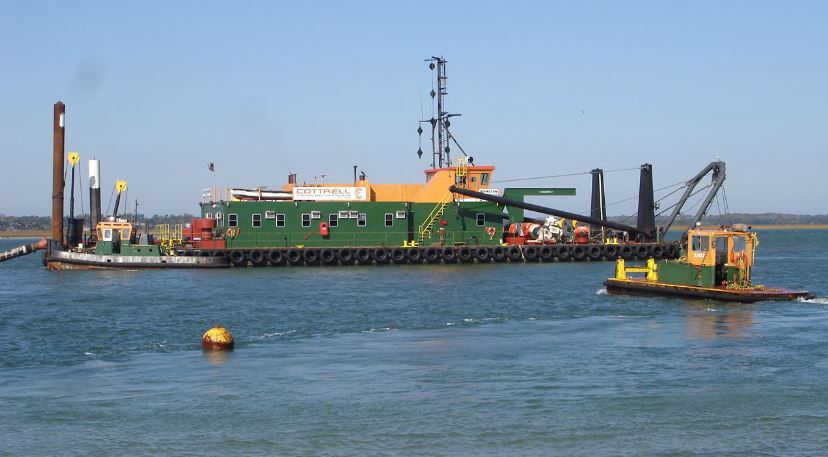
In 2014, Headquarters updated authorization to include hydraulic pipeline dredges. By November 2019, DQM monitoring became a requirement for all unrestricted pipeline dredging contracts, ensuring small business contractors adhered to the same transparency standards as larger fleets.
In 2017, DQM launched the Operations and Dredging Endangered Species System (ODESS), replacing the legacy Sea Turtle Data Warehouse. This integrated system correlates species incident data with precise dredging operations to better protect marine life.
In May 2023, Regulatory Guidance Letter 23-01 established DQM as the standard monitoring technology for projects requiring Department of the Army permits, ensuring private applicants met the same rigorous standards as federal projects.
The Universal Mandate (2025 and Beyond)
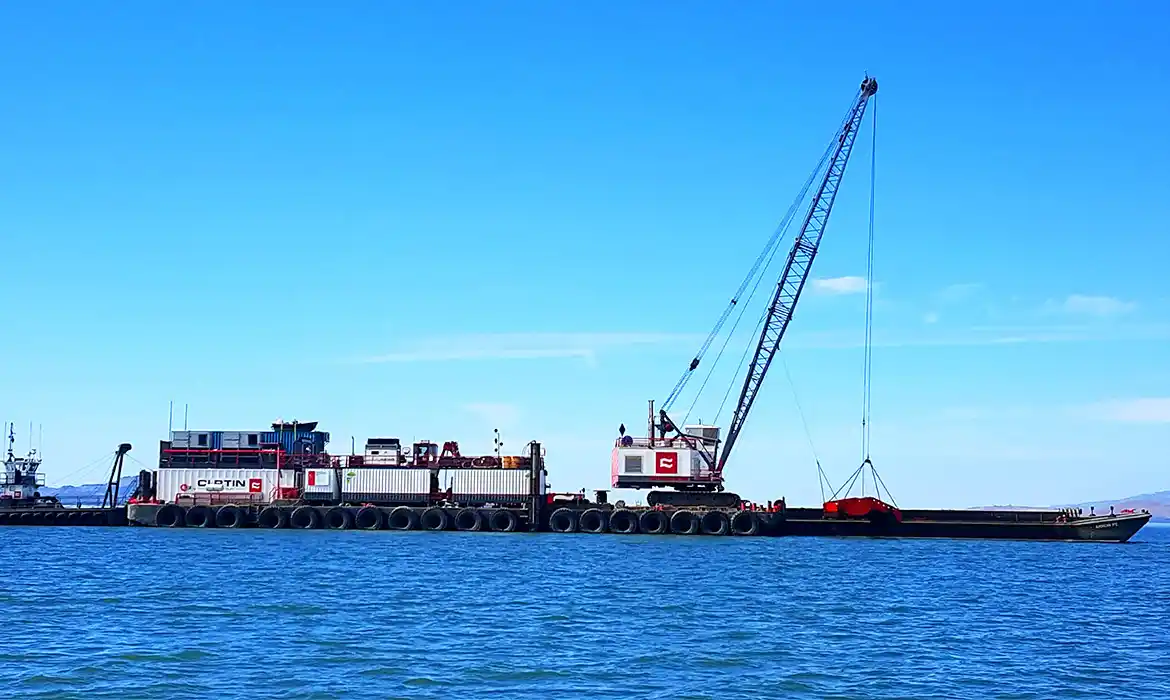
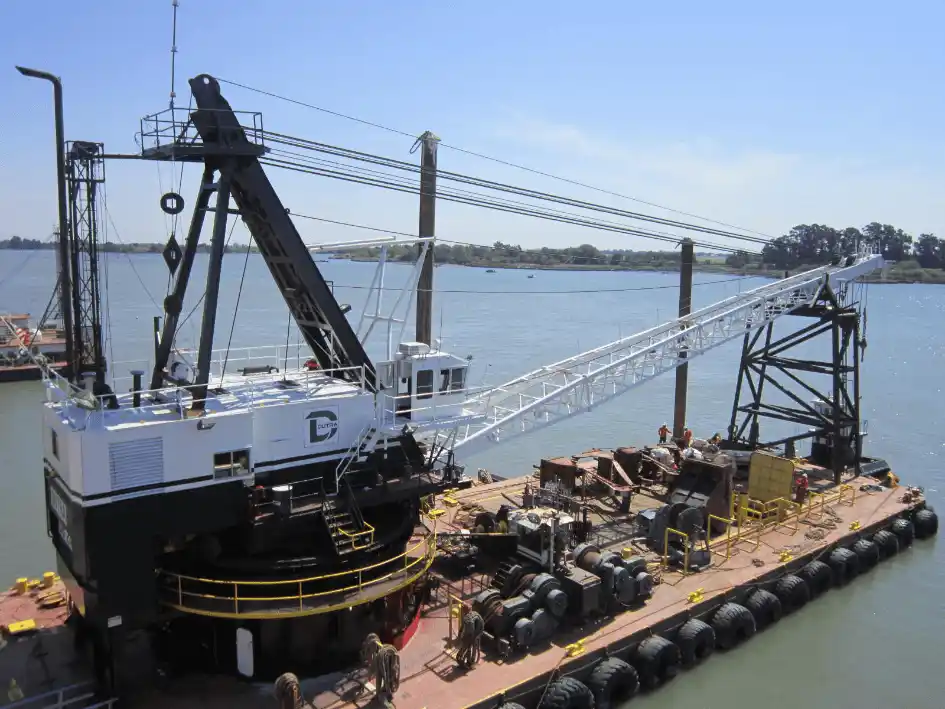
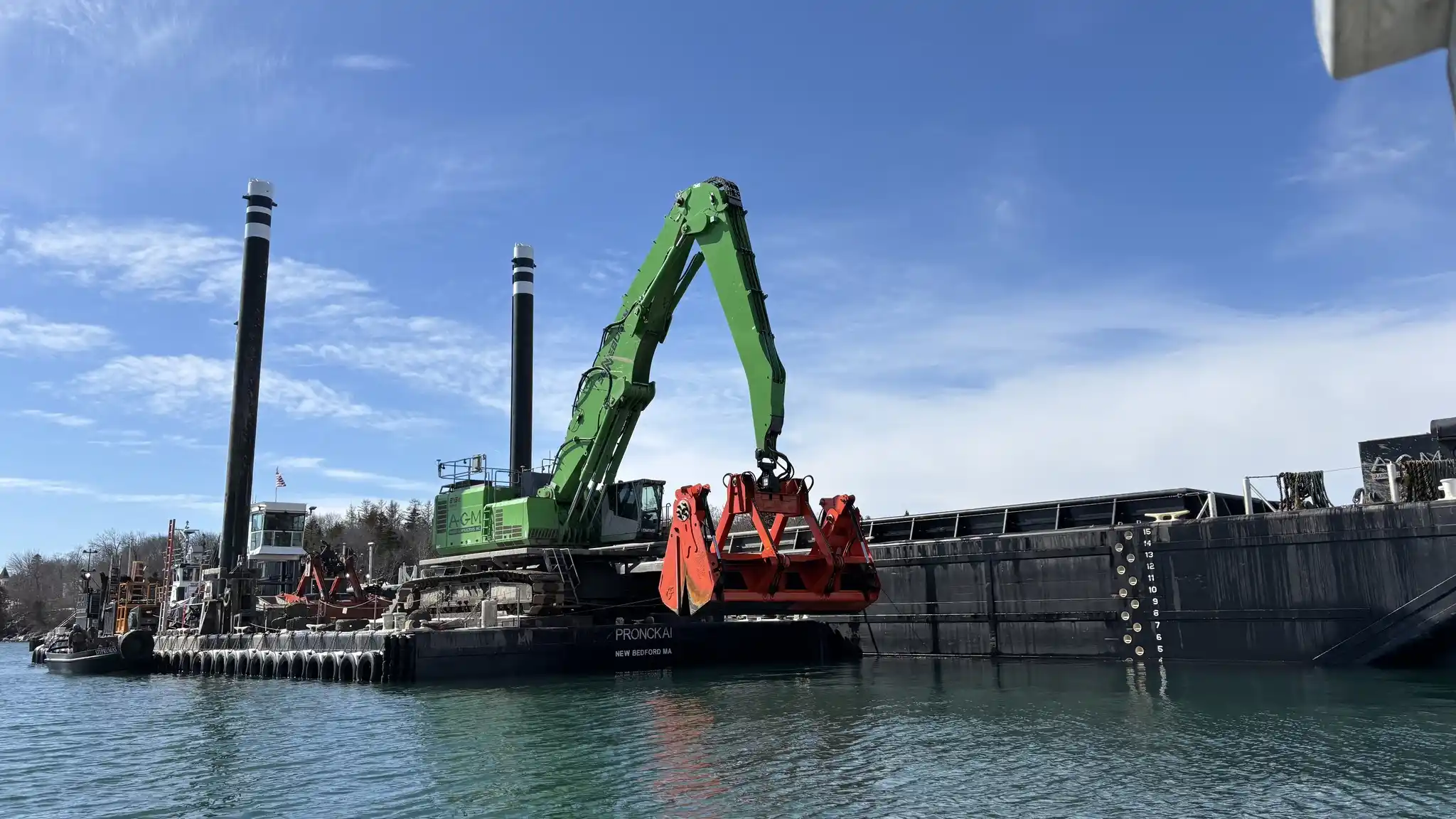
The evolution of the program culminated with the CECW-CO Memorandum dated December 19, 2025. This directive instituted a "no exceptions" policy, mandating the immediate implementation of DQM for all Dredging Equipment, including mechanical dredges (clamshells/excavators), agitation dredges, and all scow types.
Today, the DQM Center continues to function as a partnership between USACE and the dredging industry. Its mission remains focused on providing high-quality, standardized data to improve business practices, ensure robust environmental compliance, and advance the collective understanding of dredging science.