

Hydraulic Dredging
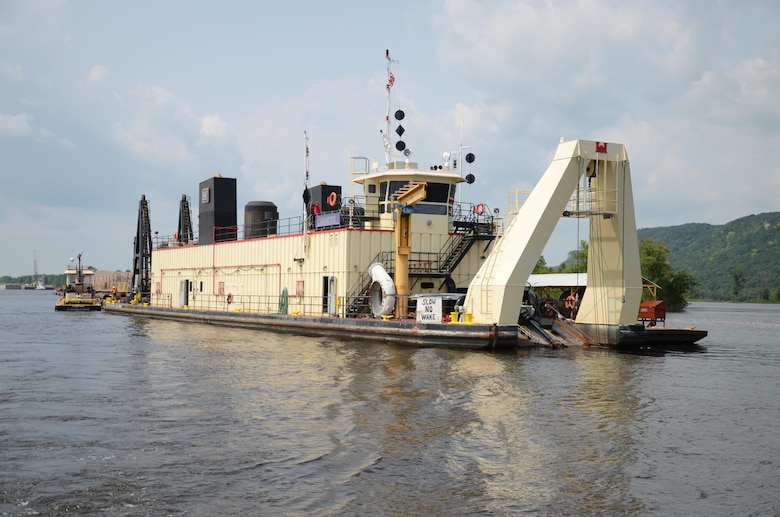
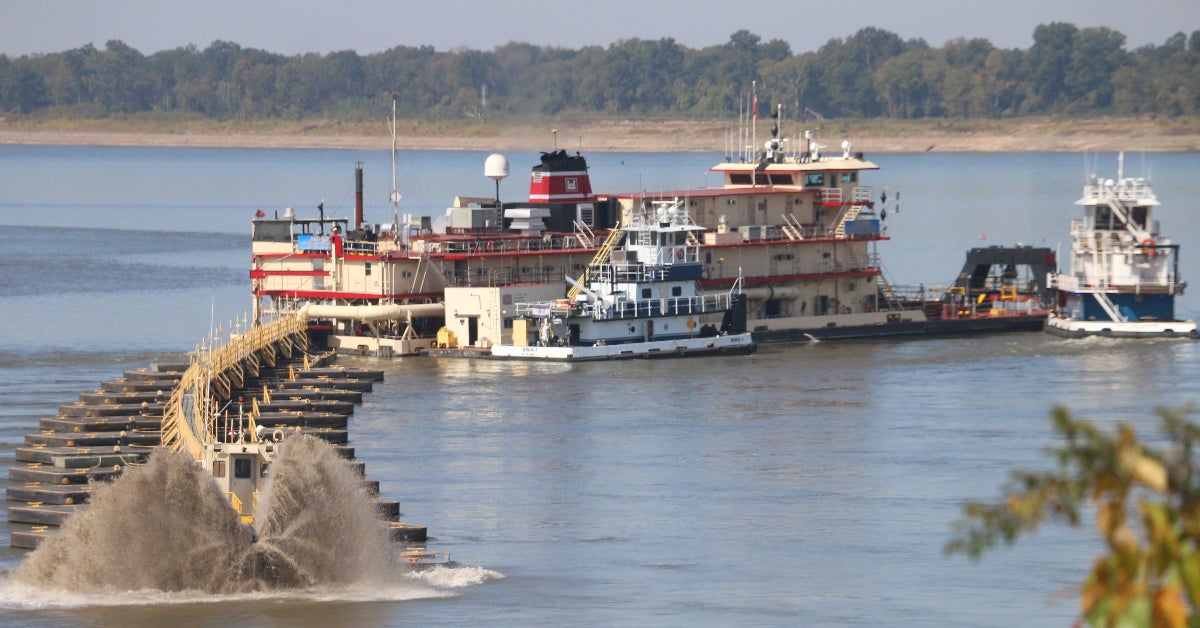
Hydraulic dredges use water pressure and suction to excavate and transport sediment through pipelines or into hoppers. They are the most common type of dredge used for large-scale marine and inland dredging projects.









Building and Maintaining America’s Waterways
Dredging is the process of removing sediment from the bottom of rivers, harbors, lakes, and coastal channels to maintain safe and efficient navigation. It plays a critical role in supporting commerce, national security, coastal resilience, and environmental restoration. From deepening shipping channels for larger vessels to restoring beaches and wetlands, dredging helps keep waterways open, communities protected, and maritime infrastructure functioning.
Using specialized equipment designed for different environments and materials, dredging operations carefully balance engineering needs with environmental stewardship—ensuring that America’s waterways remain safe, reliable, and sustainable for generations to come.
Dredging is the process of excavating and removing sediment—such as sand, silt, clay, or rock—from the bottom of waterways. Over time, natural forces like currents, tides, storms, and river flow cause sediment to accumulate in navigation channels and harbors. Without periodic removal, this buildup can reduce water depth, restrict vessel traffic, and impact flood control and drainage systems. Dredging restores and maintains the depth and capacity of these waterways, ensuring they remain safe and functional.
There are several types of dredging methods, generally grouped into hydraulic and mechanical approaches. Hydraulic dredges use suction to remove sediment in a slurry form and transport it through pipelines or into onboard storage. Mechanical dredges use buckets or clamshells to physically lift material from the bottom. The method selected depends on factors such as material type, water depth, environmental conditions, project size, and placement requirements.
Beyond navigation, dredging serves many additional purposes. It supports beach nourishment and shoreline protection, helps restore wetlands and aquatic habitats, deepens ports to accommodate larger vessels, and assists with environmental remediation by removing contaminated sediments. Modern dredging operations rely on precise positioning systems, environmental monitoring, and engineered placement strategies to balance infrastructure needs with responsible environmental stewardship.
In short, dredging is both an engineering activity and a long-term investment in maintaining safe waterways, protecting coastal communities, and supporting economic activity tied to maritime transportation.
Hydraulic dredges use water pressure and suction to excavate and transport sediment through pipelines or into hoppers. They are the most common type of dredge used for large-scale marine and inland dredging projects.
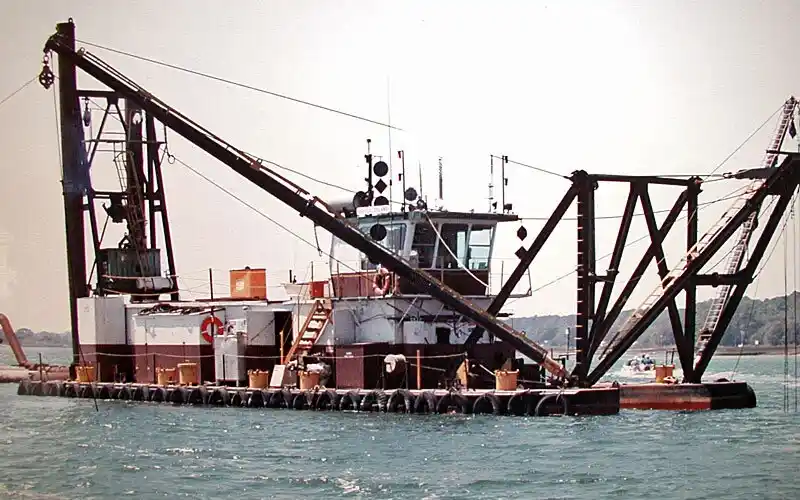
Mechanical dredges use physical excavation methods such as buckets or clamshells to remove material from the waterbed. They are particularly effective in hard or compacted soils and for precision dredging work.