
The federal law that defines protected species, biological opinions, and the "take" accounting ODESS records.
Operations and Dredging Endangered Species System (ODESS)
The Operations and Dredging Endangered Species System (ODESS) is the U.S. Army Corps of Engineers’ (USACE) centralized, publicly accessible record of interactions between USACE dredging operations and threatened and endangered species (TES). ODESS supports compliance with Section 7 of the Endangered Species Act (ESA), the 2020 South Atlantic Regional Biological Opinion (SARBO), and the Gulf Regional Biological Opinion (GRBO). The system captures structured, near-real-time data about dredging activity, observer coverage, equipment configuration, environmental conditions, and any incidental take of ESA-listed sea turtles, sturgeon, marine mammals, and other protected species. These data provide an auditable record that the National Oceanic and Atmospheric Administration’s National Marine Fisheries Service (NOAA Fisheries) can use to evaluate incidental take for individual projects and regional programs.
Mission
The USACE navigation mission is to provide safe, reliable, efficient, effective, and environmentally sustainable waterborne transportation throughout the United States. To fulfill this mission, USACE maintains approximately 13,000 miles of coastal channels and waterways across 27 inland river systems. These channels, harbors, and waterways play a vital role in supporting commerce, national security, and recreation. Approximately 95 percent of U.S. overseas trade by volume and 15 percent of domestic freight move through USACE-maintained channels and waterways. Depending on the material and project needs, dredged material may be placed at upland or in-water sites or used beneficially for projects such as beach nourishment and marsh restoration.
ODESS exists to safeguard TES during dredging operations by capturing reported interactions in one transparent system of record. Regulators, operators, researchers, and the public can use this information to assess compliance, refine protective measures, and improve species protection over time.
History
USACE began compiling national records of sea turtle take associated with hopper dredging in the 1980s. In the early 2000s, the Environmental Laboratory at the Engineer Research and Development Center (ERDC) in Vicksburg, Mississippi, developed an online archive called the Sea Turtle Data Warehouse through the Dredging Operations and Environmental Research (DOER) Program. This work occurred alongside development of Silent Inspector, a sensor-based system that preceded Dredging Quality Management (DQM). In 2017, the USACE Mobile District delivered ODESS to automate observer reporting, integrate DQM telemetry, and establish a single, transparent record of TES interactions during dredging operations.
Background
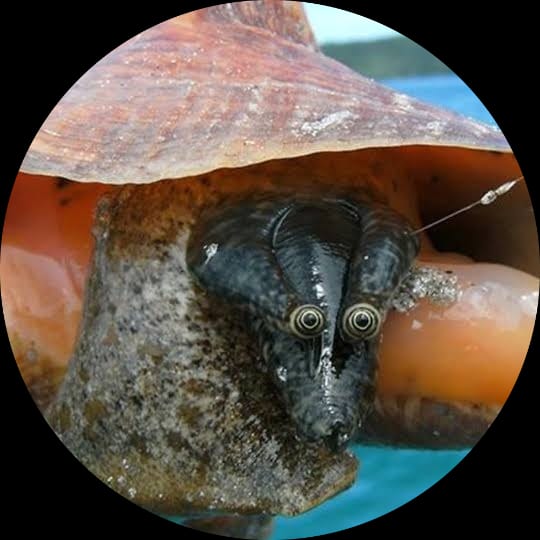
From snails to whales, more than 2,000 species in the United States and abroad are protected as threatened or endangered under the U.S. Endangered Species Act (ESA), including approximately 150 marine species in U.S. waters (Smithsonian, 2021). Routine dredging of U.S. inland and intracoastal waterways by cutterhead pipeline, hopper, and mechanical dredges is necessary to maintain navigation depths and support construction of new navigation projects. These activities may also impact TES and their habitats. USACE works to protect these species while carrying out its navigation mission, and information collected by Endangered Species Observers (ESOs) helps support that important balance.
ODESS is an automated, web-based, geospatial suite of tools used to collect information about the effects of dredging on threatened and endangered marine species. Decision-makers can analyze ODESS data to improve dredging practices, support regulatory compliance, and balance navigation needs with protection of natural ecosystems.
Learn more
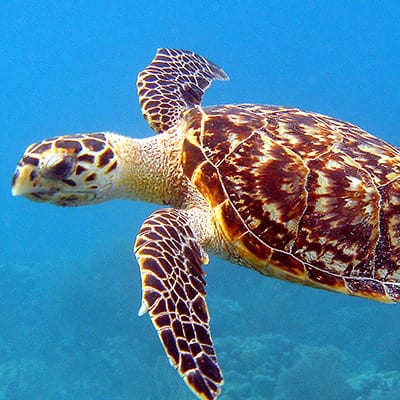
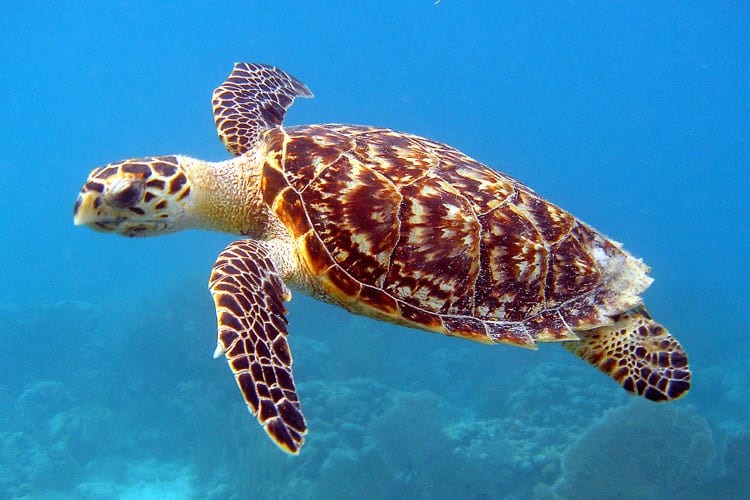
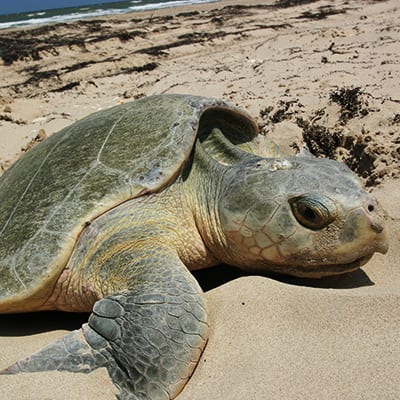
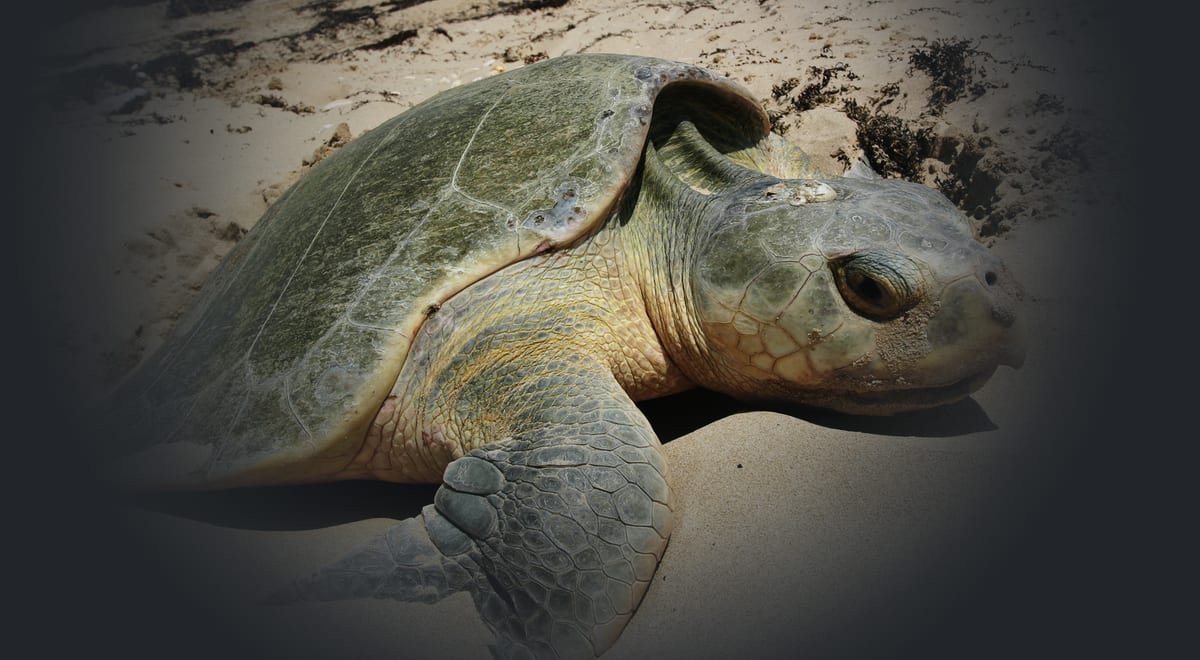
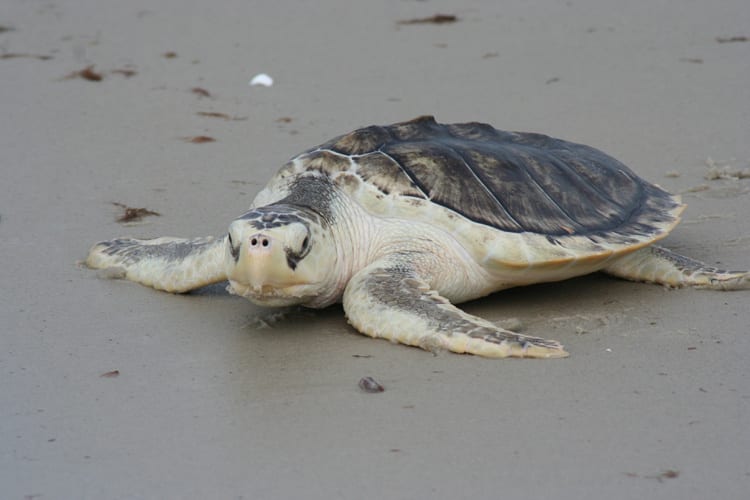
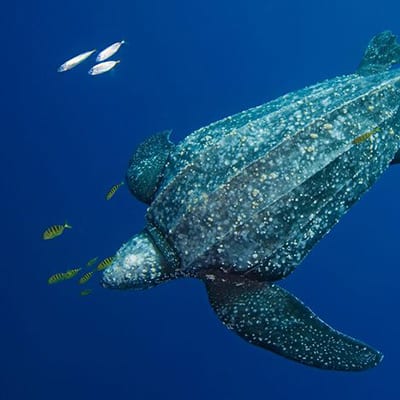
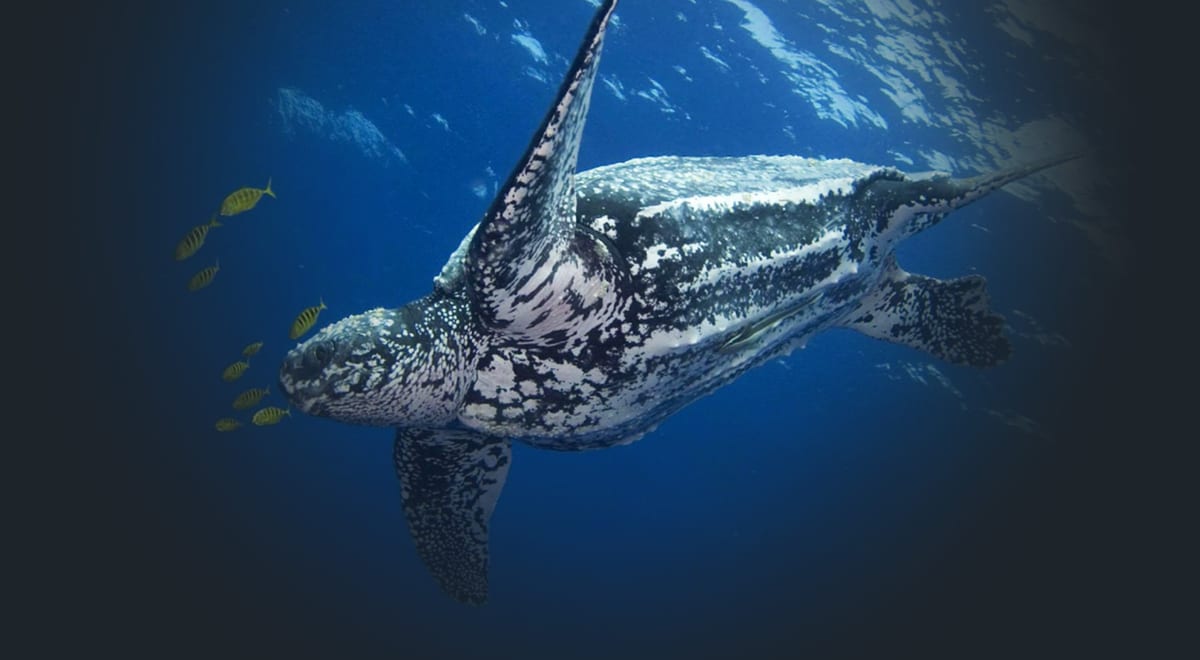
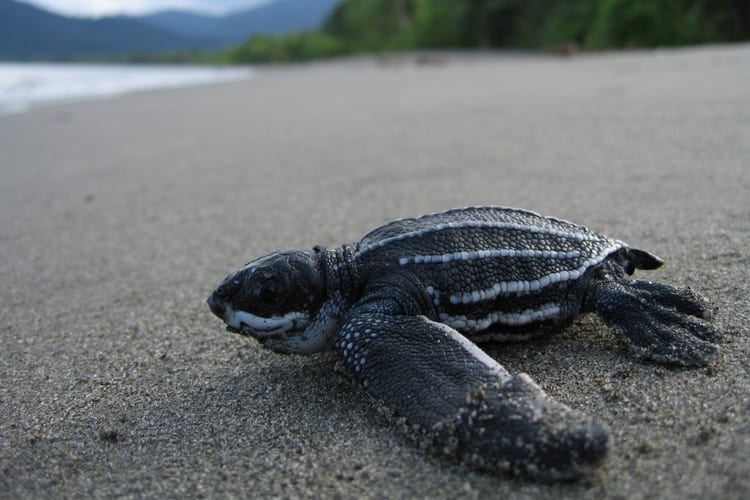
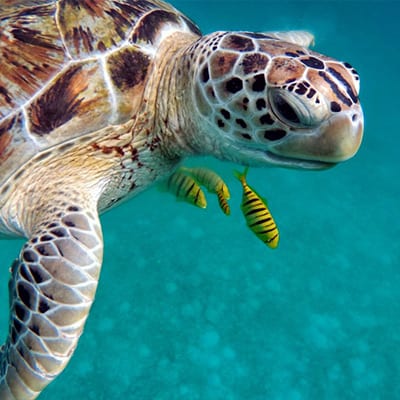
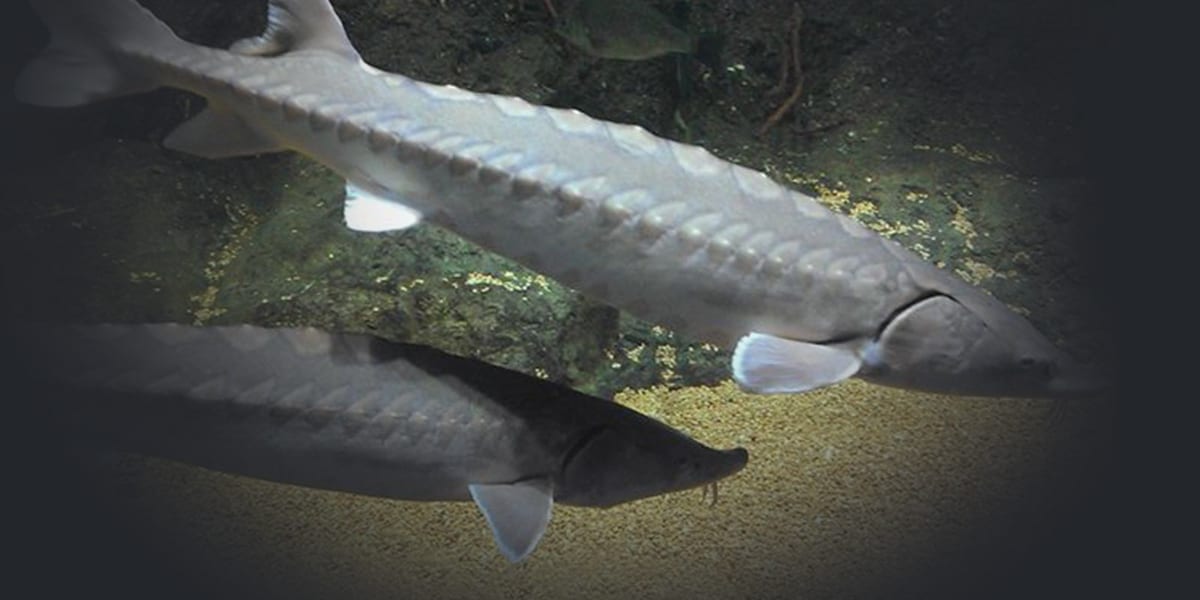
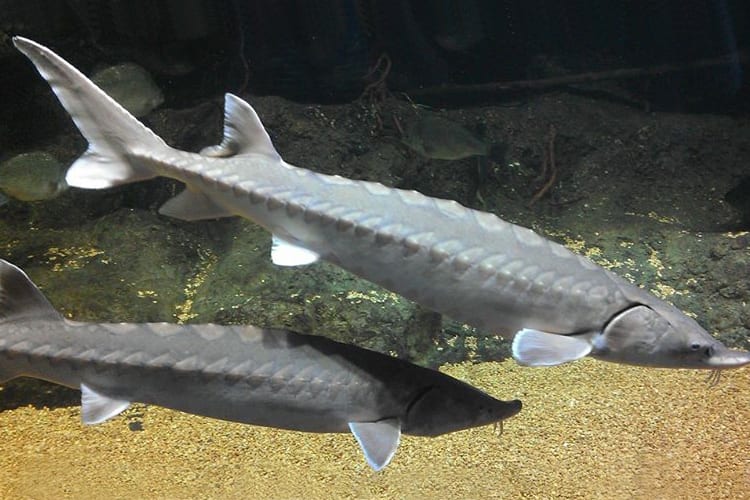
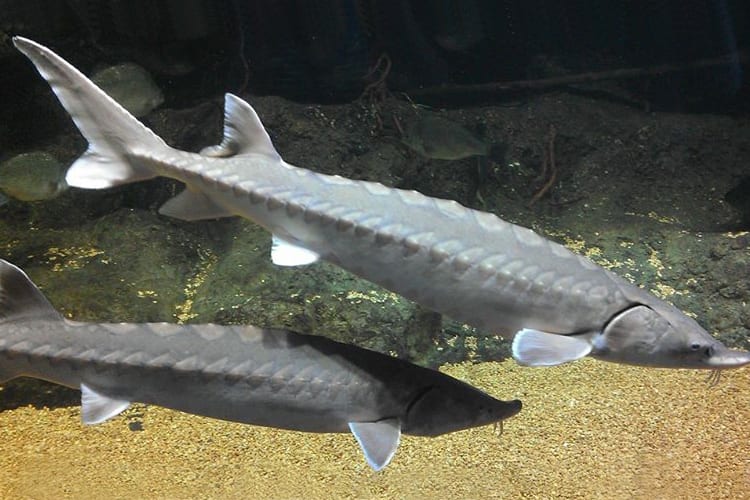
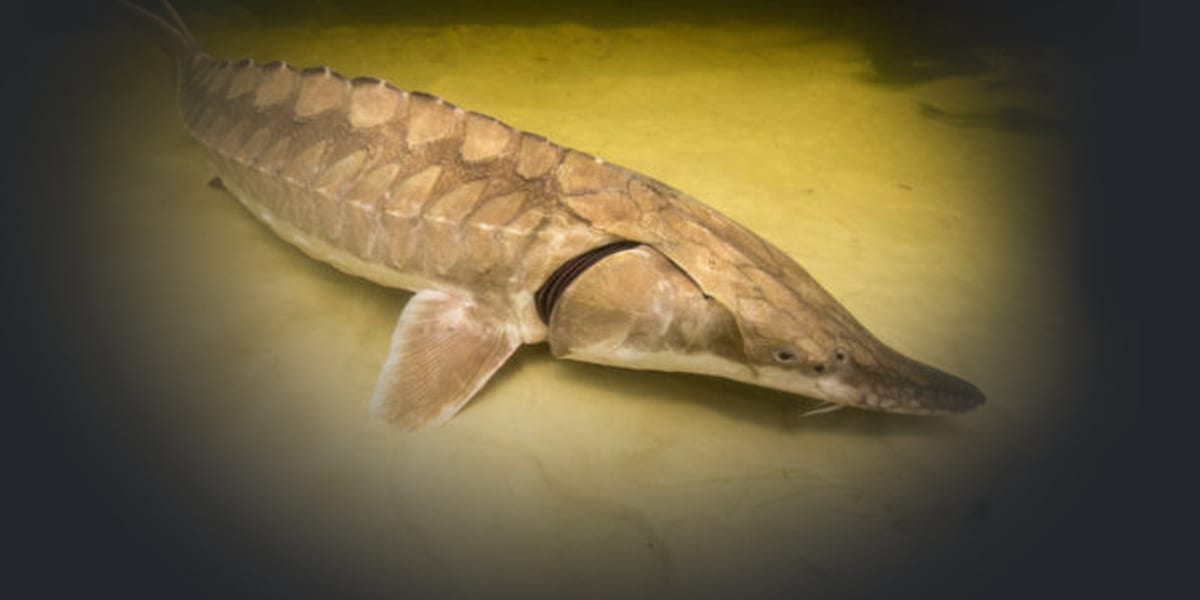
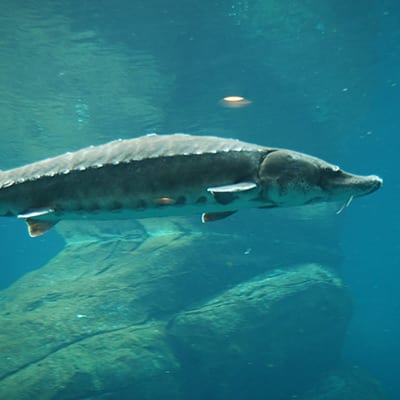
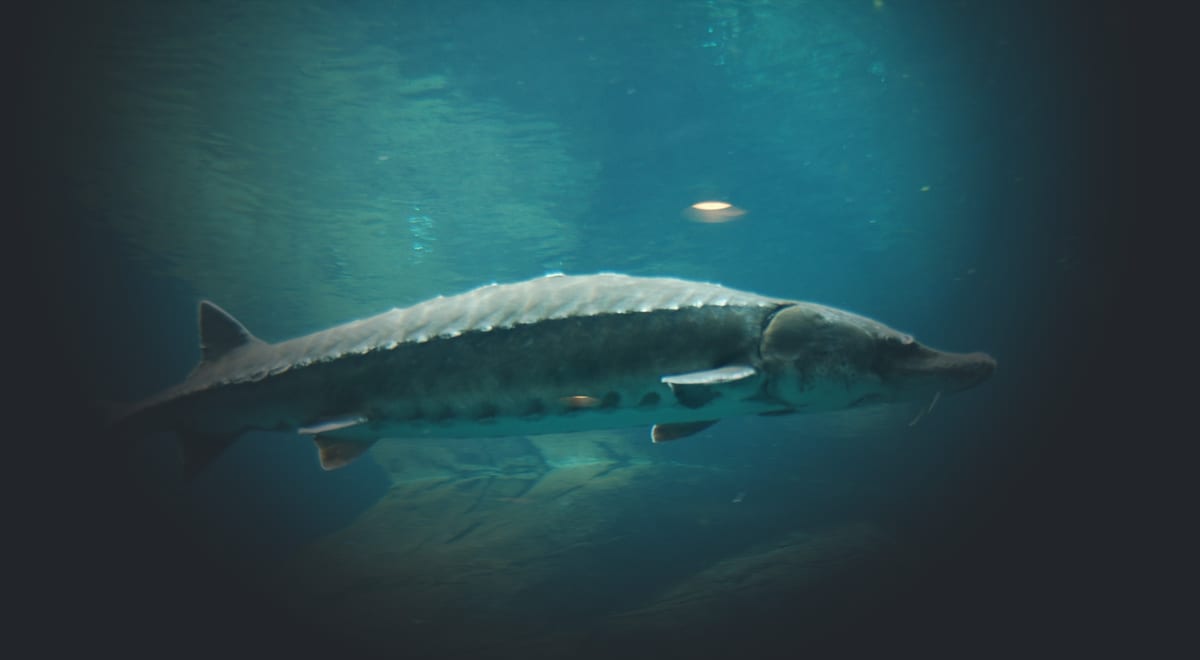
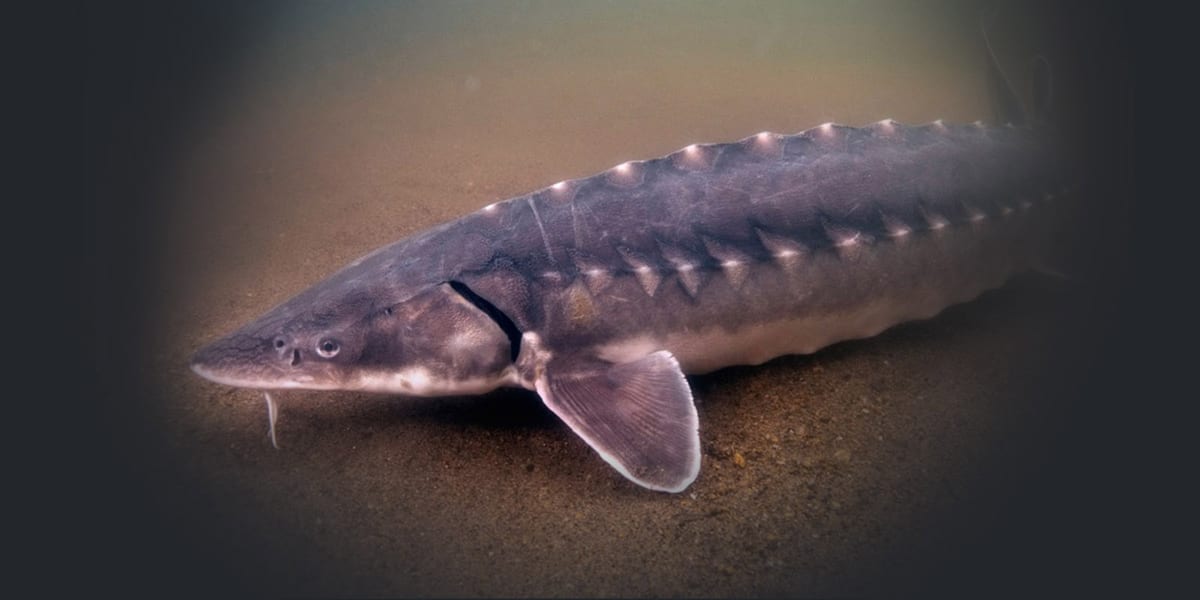
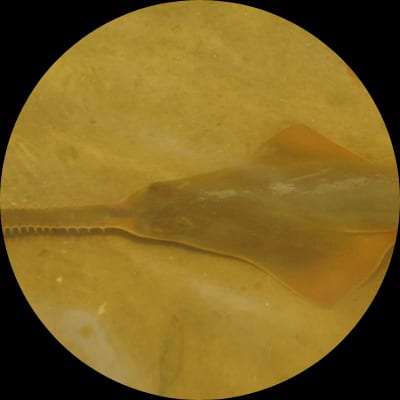
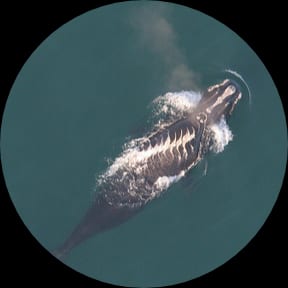
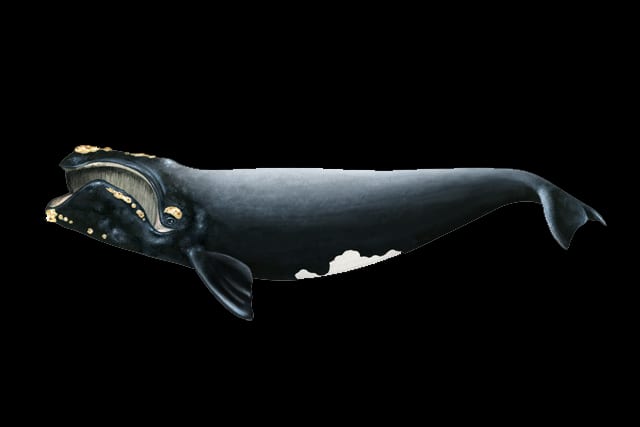
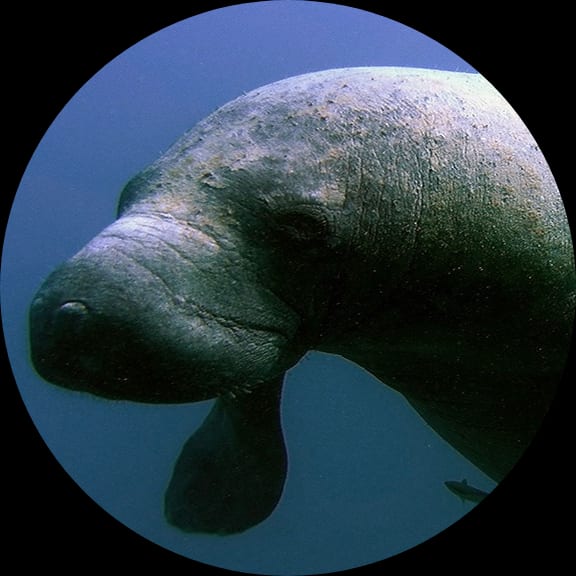
The threatened and endangered marine species ODESS monitors across USACE dredging operations.
The NOAA Fisheries opinions, including SARBO and GRBO, that govern endangered species protections during USACE dredging.
Minimizing Impacts
USACE and the dredging industry use specialized equipment, operating procedures, Endangered Species Observers (ESOs), and seasonal restrictions to reduce harm to protected species. ODESS captures data that help evaluate how these measures perform.
Hardware on hopper dredges that pushes protected species away from the suction intake.
Trawling ahead of the dredge to capture and relocate protected species out of harm’s way.
Trained onboard observers monitor for protected species and document any interactions.
Time-of-year work windows that avoid migration, spawning, and nesting periods.