
Biological Opinions
How USACE dredging complies with the Endangered Species Act.
A Biological Opinion is a formal document issued by NOAA Fisheries or the U.S. Fish and Wildlife Service at the conclusion of formal consultation under Section 7(a)(2) of the Endangered Species Act (ESA). It explains the Service’s scientific assessment of how a proposed federal action may affect listed species and designated critical habitat. Most importantly, it determines whether the action is likely to jeopardize the continued existence of a listed species or destroy or adversely modify designated critical habitat. Regulations governing this consultation process appear in Title 50, Part 402, of the Code of Federal Regulations.
The consultation process begins when USACE determines that a proposed project “may affect” a listed species or designated critical habitat. If the effects are insignificant, discountable, or wholly beneficial, informal consultation may conclude with a “not likely to adversely affect” concurrence. Formal consultation is required when a project is likely to adversely affect a listed species or designated critical habitat. The process generally allows 90 days for consultation and an additional 45 days for the consulting Service to issue its Biological Opinion (BiOp).
When take of a listed species is reasonably certain to occur, the BiOp includes an Incidental Take Statement. The statement describes the anticipated amount or extent of take, identifies Reasonable and Prudent Measures, and establishes Terms and Conditions for implementing those measures. Compliance with a valid Incidental Take Statement can provide an exemption from the ESA Section 9 prohibition on take. ODESS helps document that compliance, project by project and load by load.
Regional Programmatic Biological Opinions: SARBO and GRBO
Two regional programmatic biological opinions govern much of USACE dredging in the Southeast. The 2020 South Atlantic Regional Biological Opinion (SARBO) covers dredging from the Virginia–North Carolina border through the Florida Keys, Puerto Rico, and the U.S. Virgin Islands. Signed on March 27, 2020, and revised on July 31, 2020, it replaced the 1997 SARBO. The opinion addresses 25 ESA-listed species and five critical-habitat units. Key features include a risk-based adaptive-management framework (replacing fixed dredging windows), Project Design Criteria (replacing traditional Terms and Conditions), integration of a North Atlantic Right Whale Conservation Plan, and a three-year averaging window for evaluating incidental take.
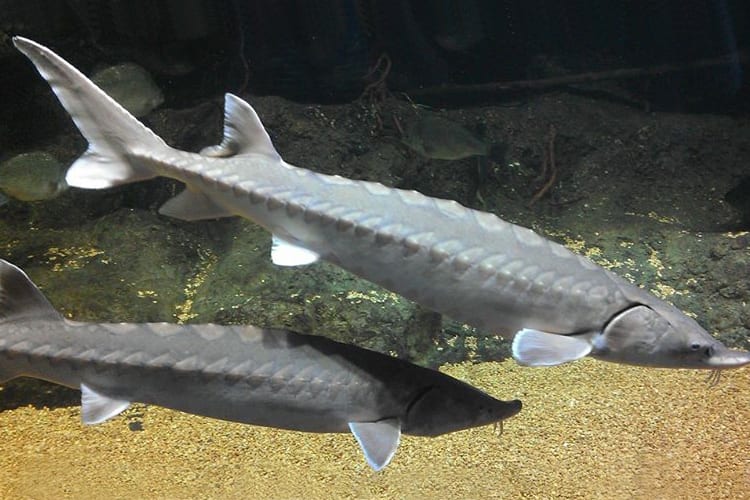
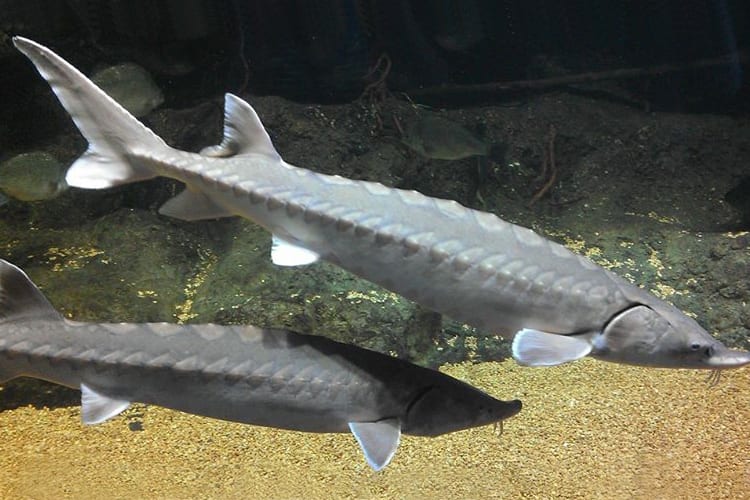
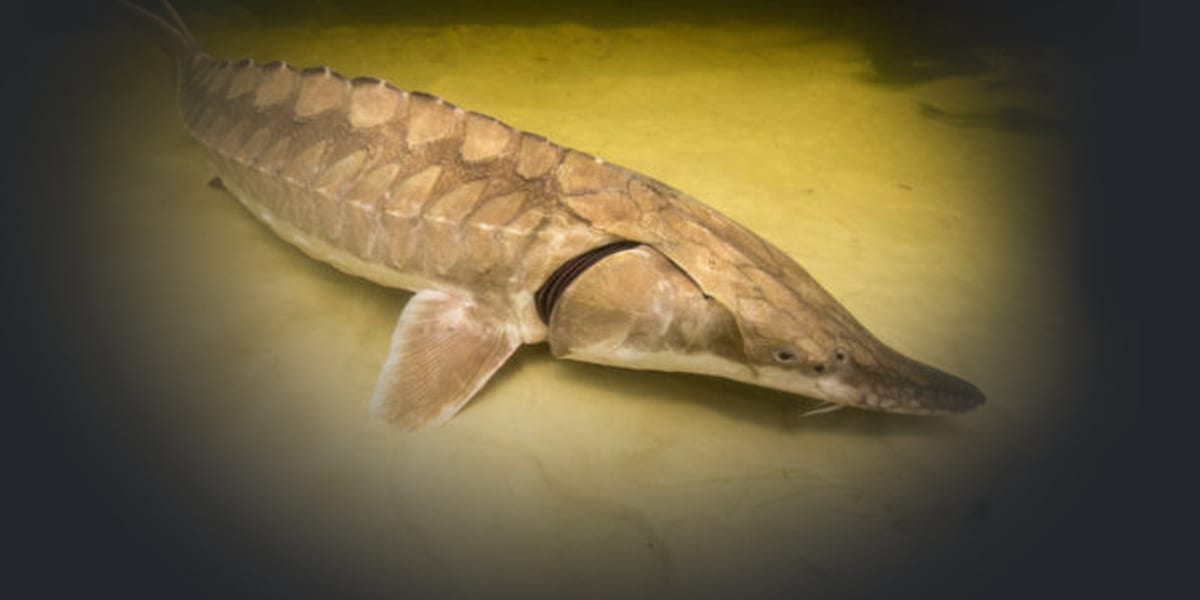
The 2007 Gulf Regional Biological Opinion (GRBO), Revision 2 of the 2003 opinion, covers hopper dredging by the Galveston, New Orleans, Mobile, and Jacksonville Districts on the Gulf Coast. Its measures require sea-turtle-deflecting dragheads, NOAA Fisheries-approved Protected Species Observers, full-time inflow screening, Silent Inspector or DQM monitoring, and relocation trawling when appropriate. The GRBO Incidental Take Statement authorizes 300 sea turtles (any combination) and 8 Gulf sturgeon per fiscal year via relocation trawling across the four Gulf districts.
Project-specific biological opinions may supplement these regional opinions for activities they do not address. Examples include the 2024 Brazos Island Harbor Opinion (SERO-2023-02316) and the 2022 Bay County, FL beach-nourishment reinitiation. Outside the areas or activities covered by SARBO and GRBO, USACE relies on project-specific Biological Opinions coordinated with the appropriate NOAA Fisheries regional office.
When Consultation Must Be Reinitiated
Under 50 CFR 402.16, reinitiation of consultation is required when authorized take is exceeded, new information reveals effects that were not previously considered, the action is modified in a way that may affect listed species or critical habitat, or a new species is listed or critical habitat is designated and may be affected by the action.
The Savannah Harbor Expansion Project prompted ESA reinitiation during the 2016–2017 hopper-dredging season after take limits for Atlantic sturgeon and green sea turtles were exceeded. The Brazos Island Harbor project also prompted reinitiation in 2023–2024. In that case, the 2024 Biological Opinion notes that new ODESS data supported an update to the Incidental Take Statement.