
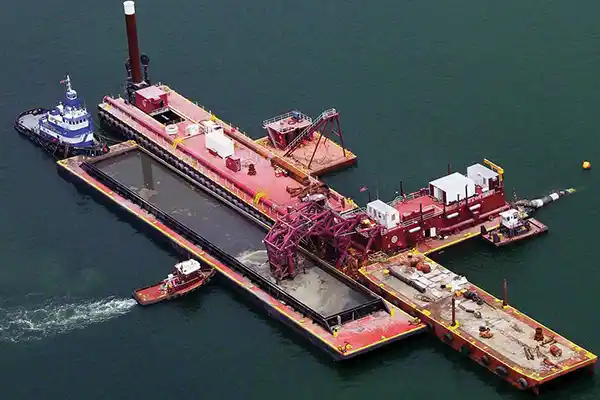
Dredging contractors send vessel telemetry to the DQM Center in real time through the DQM Web Service.











DQM Specifications
Standardized Monitoring. Consistent Accountability
The Dredging Quality Management (DQM) Program establishes uniform requirements for collecting, transmitting, and managing operational dredging data across federally funded and permitted projects. DQM systems automatically record vessel positioning, operational status, and other key performance parameters at frequent intervals throughout dredging operations. This near-real-time data are collected onboard the vessel and transmitted in real-time to be validated, analyzed, and stored in the DQM Center's database.
Specification Update
The DQM specifications have been consolidated into a single, comprehensive document that covers the monitoring requirements for all dredge plant types. The previous separate documents for each plant type and profile have been retired. The consolidated specification was updated September 8, 2026 and is scheduled for inclusion in the Fall update of SpecsIntact in the Whole Building Design Guide (WBDG). If you need access to a legacy specification or assistance with the new specification, please contact the DQM Center.
Specifications
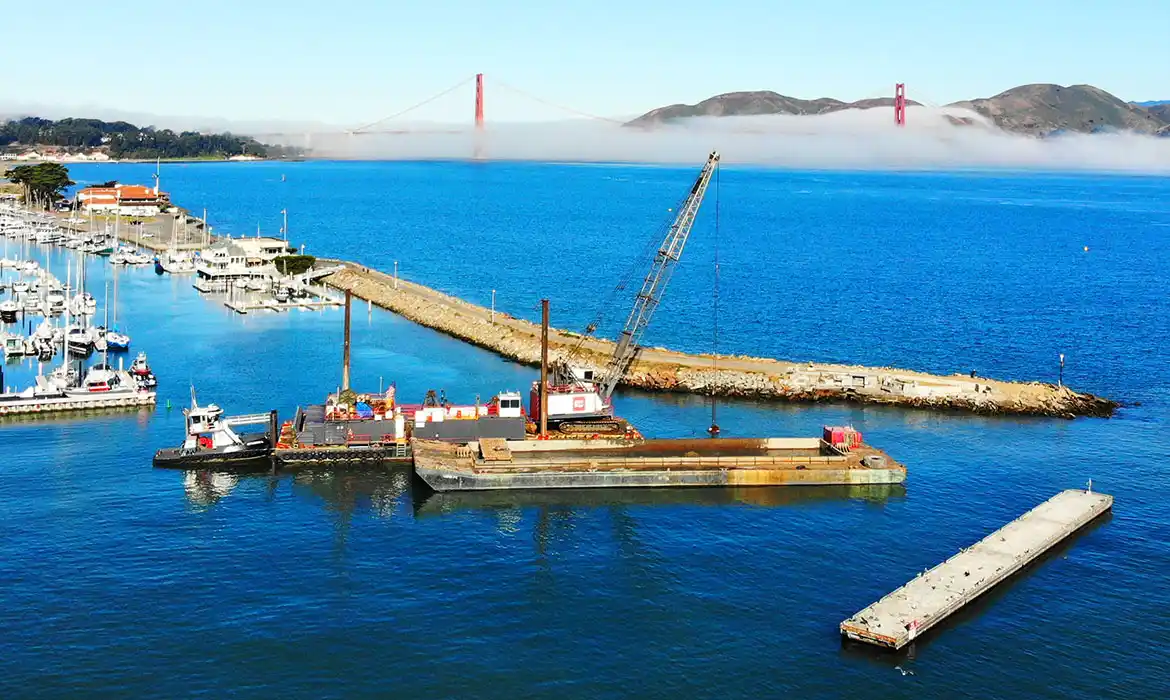
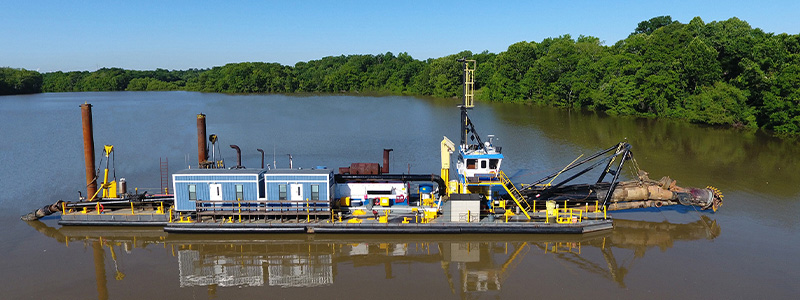
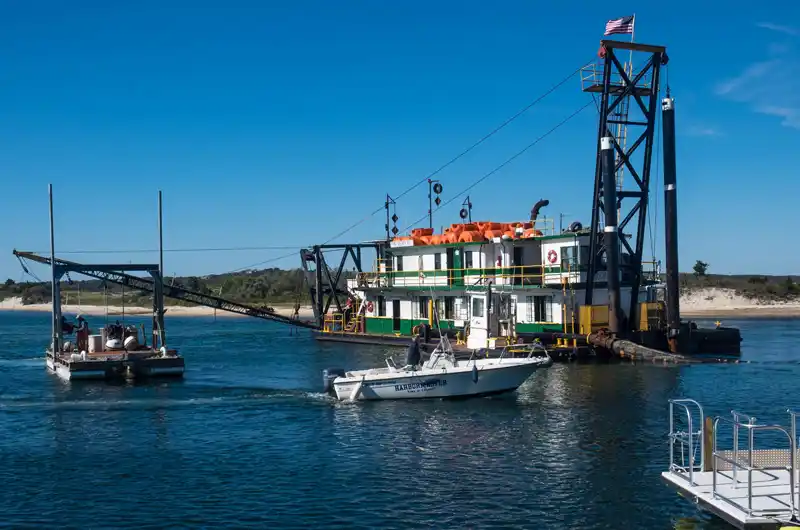
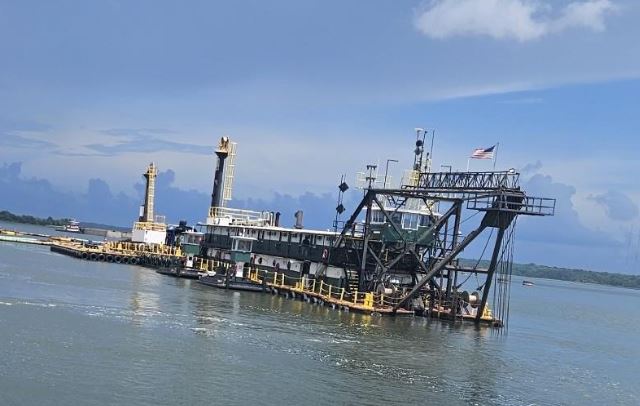
The DQM specification is now a single, comprehensive document covering the monitoring, reporting, and compliance requirements for all dredge plant types. Because the equipment used can change over the course of a project, every contract receives the same comprehensive specification — the specification is always included in full, with every section intact. Nothing is deleted from it to suit a particular job; only the paragraphs relevant to plant types utilized on the job are applicable.
Every specification references DQM in a single paragraph that lists all plant types. The only selection an author makes is the applicable data profile for pipeline and scow. A template is shown below:
[Paragraph #] - [Section Title]
For the dredging, transport, and deposition of all dredged material, the Contractor shall operate under the requirements of the National Dredging Quality Management (DQM) Program. The Contractor shall reference the appropriate paragraphs for all plant types utilized. Requirements vary by plant type and, where applicable, by data profile. The following plant types and profiles are in effect for this contract:
- Hopper
- Pipeline (select Standard or Small Business profile)
- Mechanical
- Scow (select Monitoring or Ullage profile)
Completed example: “…in effect for this contract: Hopper, Pipeline (Standard profile), Mechanical, and Scow (Monitoring profile).”
Profiles
The reporting profile that applies to a vessel is set in the base language of its governing contract or permit, and it determines which sensor values must be reported to DQM. Hopper and mechanical dredges report under a single profile. Pipeline dredges and scows each have two profiles, differing only in the sensors described below. For complete documentation on all sensors required, review the full DQM Specifications.
Pipeline Dredges
- Standard — The base profile for pipeline dredges, which includes an array of sensors that provide information on location and activities.
- Small Business — Includes all sensors from the standard profile, however Slurry density and velocity instrumentation are not required. A dredge already outfitted with these meters must still report their data; the profile only removes the obligation to install the instrumentation if the dredge is not already equipped.
Scows
- Monitoring — The base profile for scows, which includes an array of sensors that provide information on location and activities.
- Ullage — Includes all sensors from the monitoring profile and adds bin sensors, which gauge the level of water or material inside the scow bin. Both bin ullage and bin volume are then reported. These readings can estimate in-bin volume when dredged material self-levels, but are unreliable when the load mounds or settles unevenly. A scow already outfitted with bin sensors must report both values; the profile only removes the obligation to install the instrumentation if the scow is not already equipped.
Download Specifications
PDF
PDFSeptember 8, 2026
View PDFView the DQM Specifications in PDF format
Microsoft Word
DOCXSeptember 8, 2026
Download Word FormatDownload the DQM Specifications in Microsoft Word format
SpecsIntact
SECSeptember 8, 2026
Download SpecsIntact FormatDownload the DQM Specifications as a SpecsIntact section, for authors working directly in SpecsIntact
DQM System Components
Learn more
The contractor is responsible for maintaining a fully operational transmission system, submitting daily state data through the DQM Contractor Management site, notifying the DQM Center at job start and completion, responding to QA notifications within 48 hours, and promptly repairing or recalibrating sensors when issues arise.
The contractor is required to have a current certification from the DQM Center for all dredge plants to be used under a contract. Certification is contingent upon the system's ability to continuously meet the performance requirements outlined in the specification.
The DPIP is the contractor-authored document that describes how a dredge plant's sensors, data systems, and quality-control procedures work together to produce the telemetry submitted to DQM.
More Information
FAQs
Please contact the DQM Center with any questions