
Seasonal Restrictions
Time-of-year windows that protect migrating and spawning species
Seasonal and Time-of-Year Restrictions
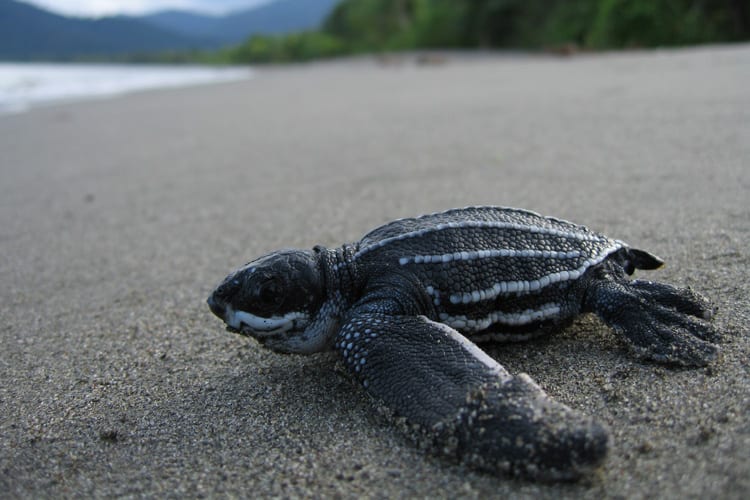
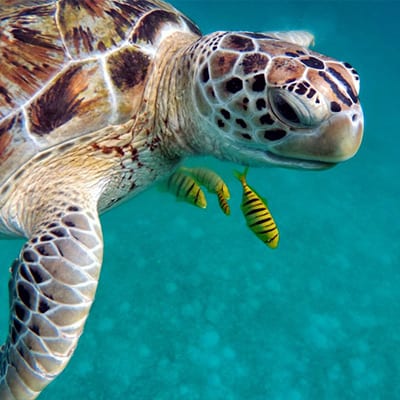
From the 1990s through the 2010s, hopper dredging in much of the southeastern United States was generally limited to December 1 through March 31, with some extensions through April 15, to avoid periods of high sea turtle abundance. The Wilmington District self-imposed a January 1 through March 31 window following several loggerhead deaths at Morehead City Harbor in the late 1990s.
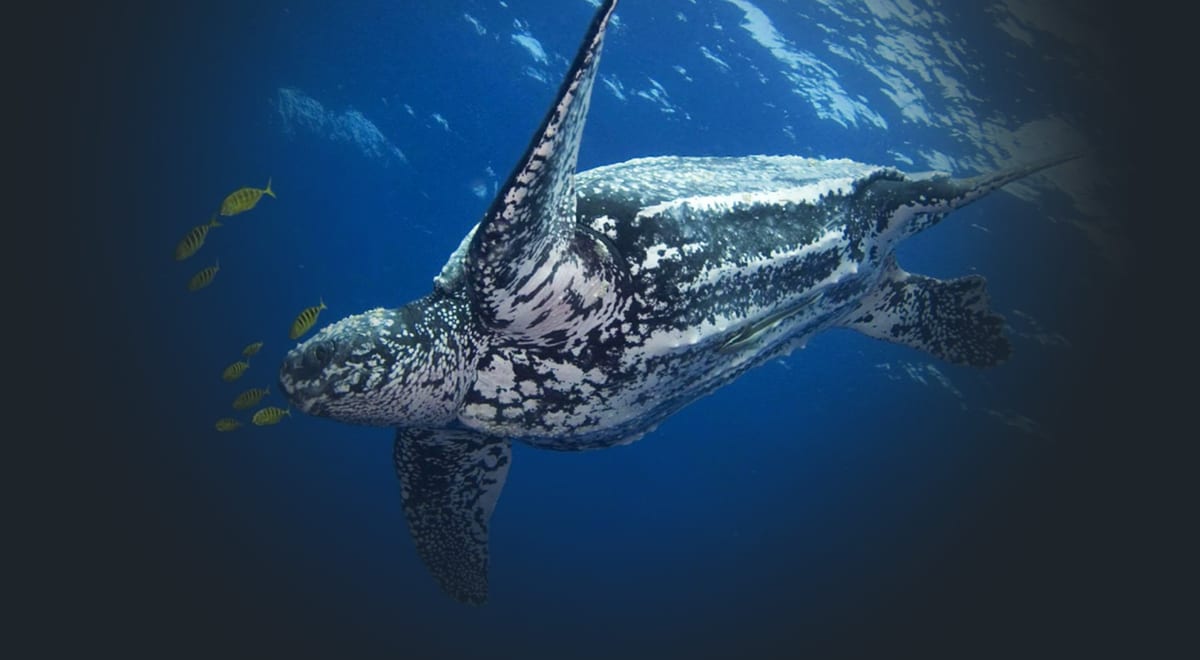
The 2020 SARBO replaced fixed sea turtle dredging windows with a risk-based adaptive-management approach using project-specific assessments. Time-of-year restrictions or protective measures continue to apply in certain areas, including:
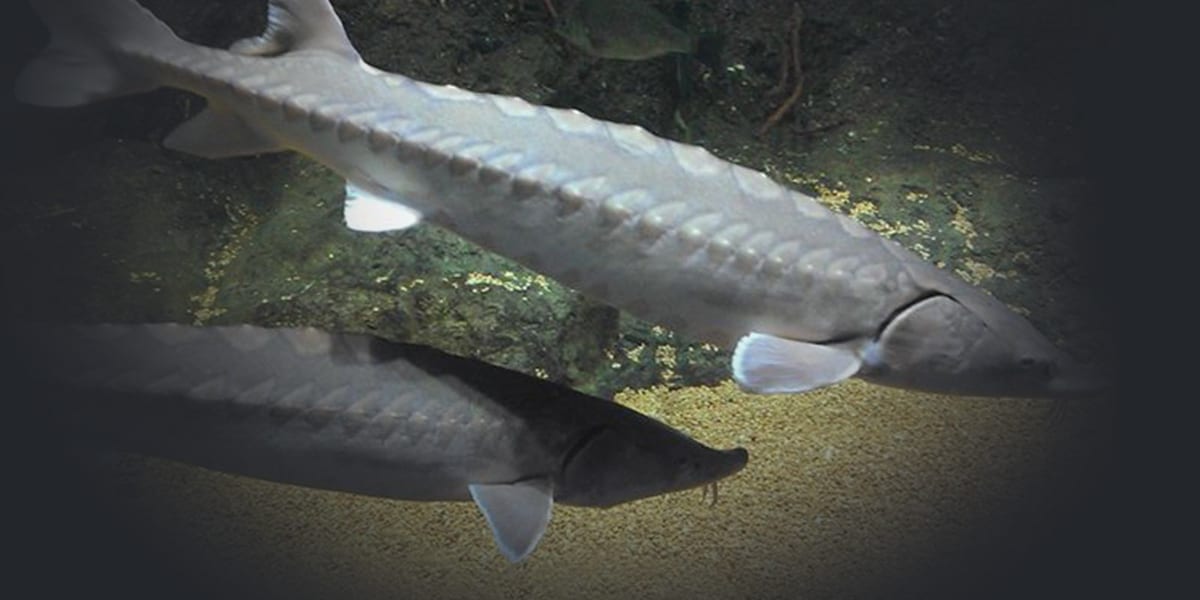
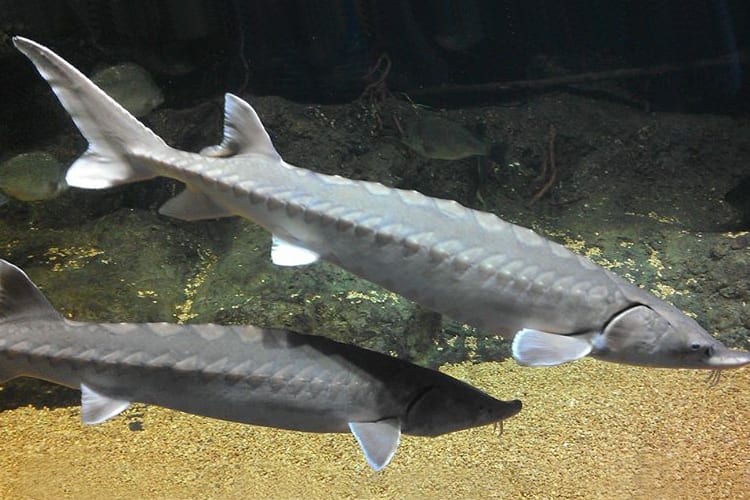
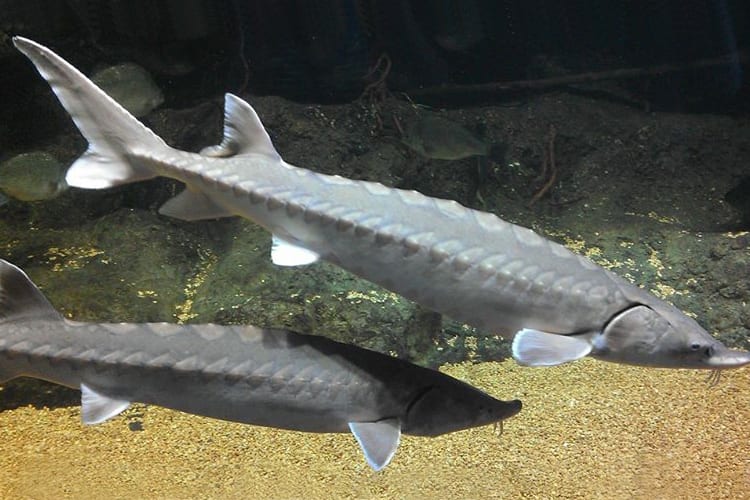
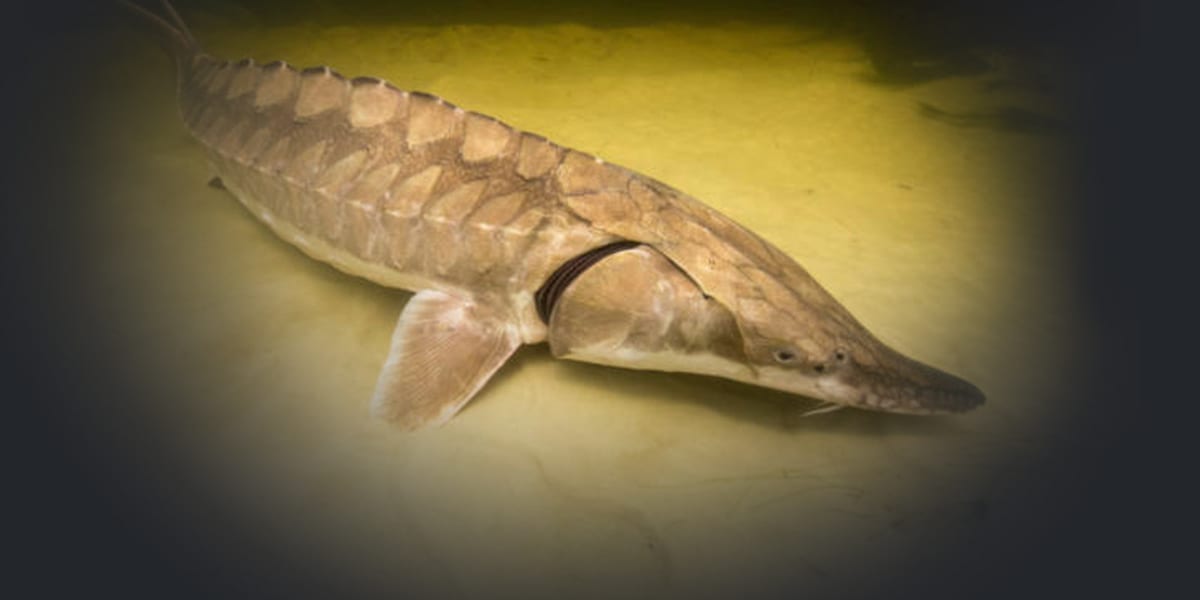
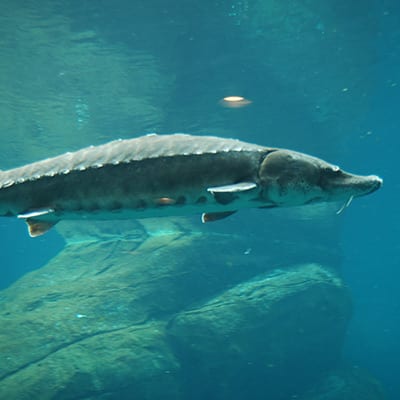
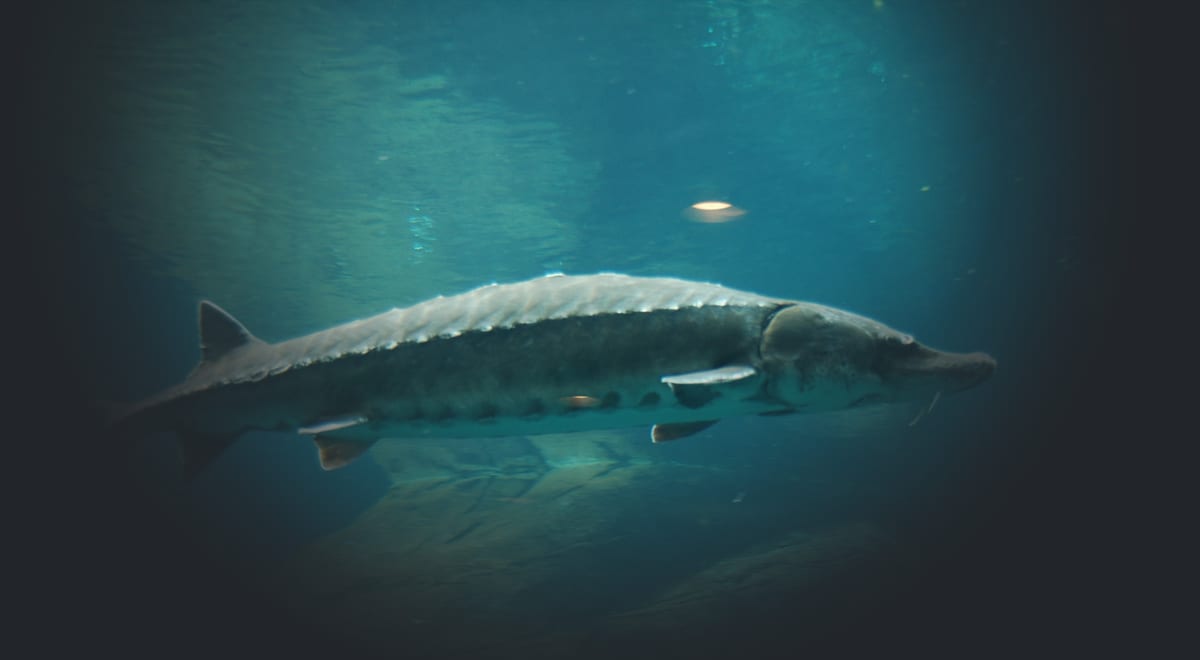
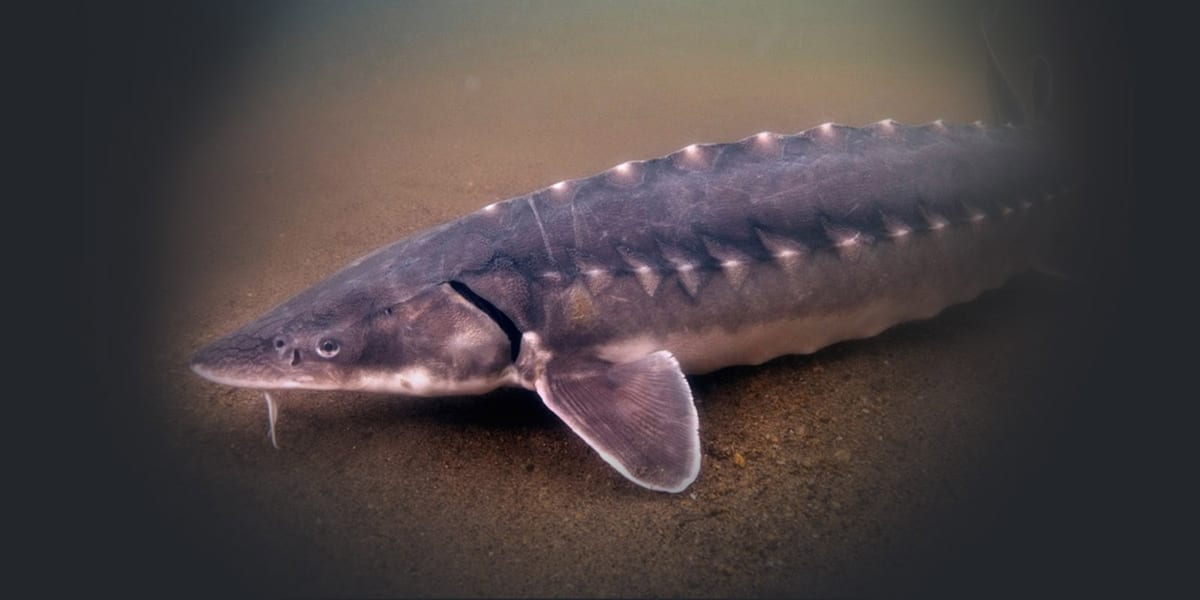
- Sturgeon spawning: Atlantic sturgeon generally spawn from February through May, with fall spawning runs from August through October in some southern populations, including those in the Edisto and Savannah rivers. The sturgeon Project Design Criteria in Appendix E of the 2020 SARBO classify specific river reaches as A, B, or C and establish associated seasonal restrictions on cutterhead dredging.
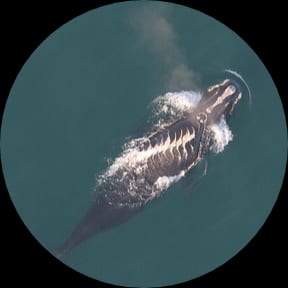
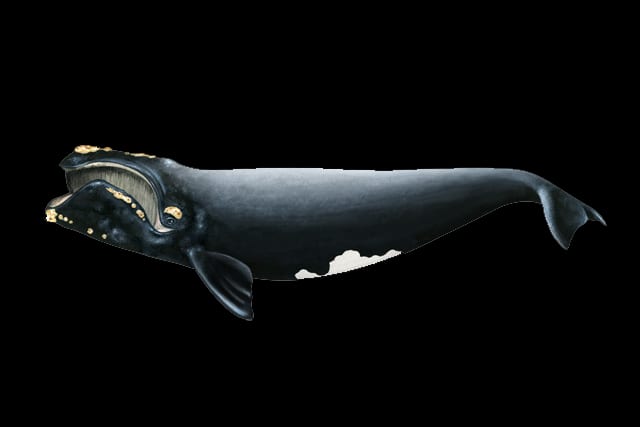
- North Atlantic right whale calving: Calving generally occurs from December through March in the southeastern United States. Under 50 CFR 224.105, most vessels 65 feet or longer must travel at 10 knots or less in designated Seasonal Management Areas from November 15 to April 15 in the Southeast (south of St. Augustine, FL to north of Brunswick, GA), from November 1 to April 30 in Mid-Atlantic SMAs, and from January 1 to May 15 in Cape Cod Bay. Federal vessels are technically exempt from the regulation, but USACE policy and Section 7 BiOps typically apply equivalent restrictions.
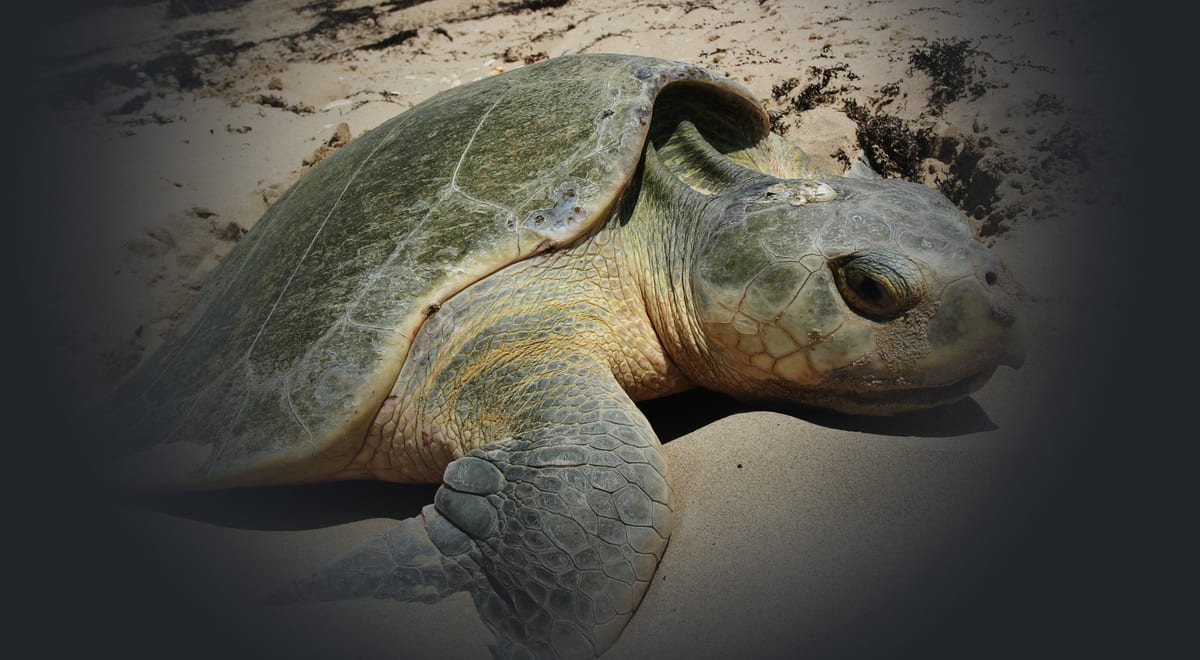
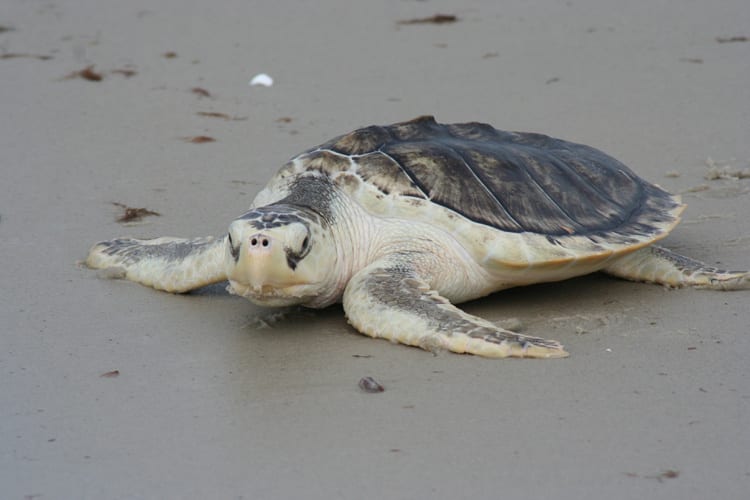
- Sea turtle nesting on beach-placement projects: In Florida, the primary nesting season runs from March 1 through October 31. Operations under the Statewide Programmatic Biological Opinion require daily early-morning nesting surveys, permitted nest relocation completed before 9 AM, use of shielded construction lighting with low-pressure sodium or amber LED lights preferred, post-construction tilling and scarp removal; and three years of post-construction nesting surveys.
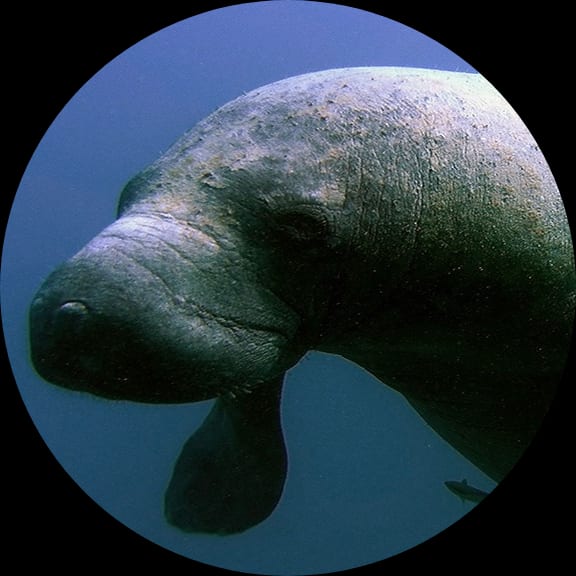
Manatee protection: Under the Standard Manatee Conditions for In-Water Work, all in-water operations must stop when a manatee is observed within 50 feet. Sightings should be reported through the Florida Fish and Wildlife Conservation Commission hotline at 1-888-404-3922.