
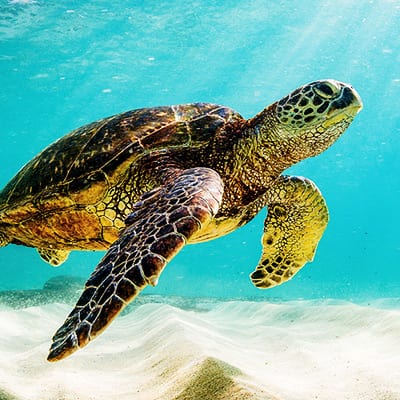
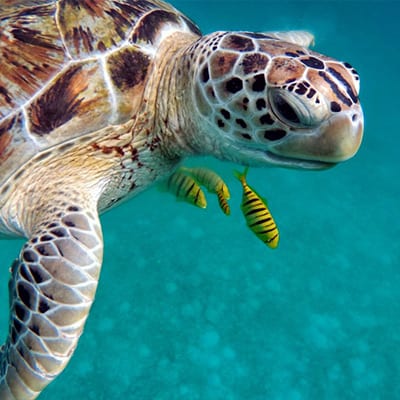
Green Sea Turtle
Sea TurtleFound in tropical and subtropical seas worldwide; nests on sandy beaches. Listed under the ESA.
Monitoring Threatened and Endangered Species
ODESS tracks reported interactions with threatened and endangered species that may be impacted by dredging operations.
Five sea turtle species are routinely encountered during dredging in U.S. coastal waters, primarily by hopper dredges. Measures used to reduce turtle interactions include draghead deflectors, onboard protected-species observers, and seasonal limits on dredging activities.
Found in tropical and subtropical seas worldwide; nests on sandy beaches. Listed under the ESA.
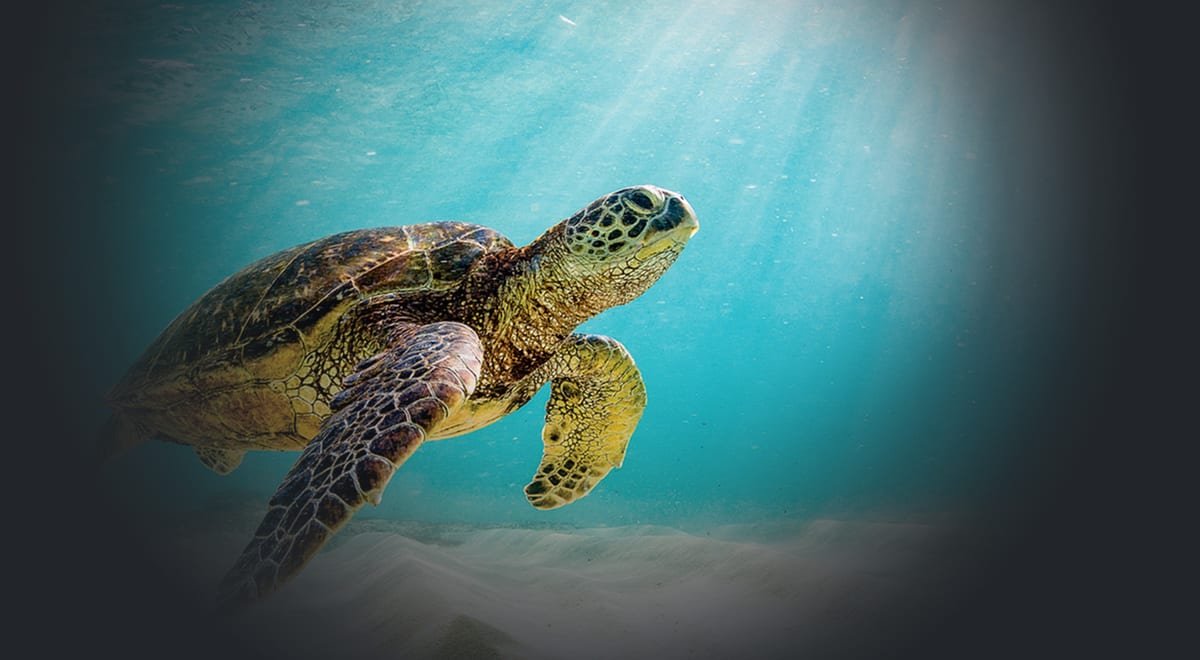
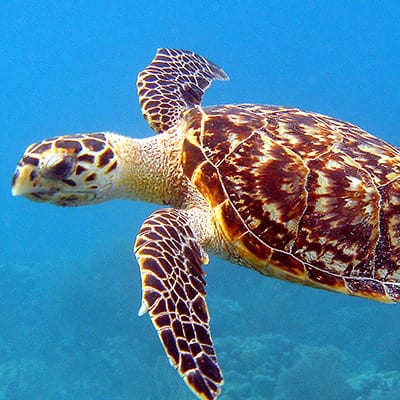
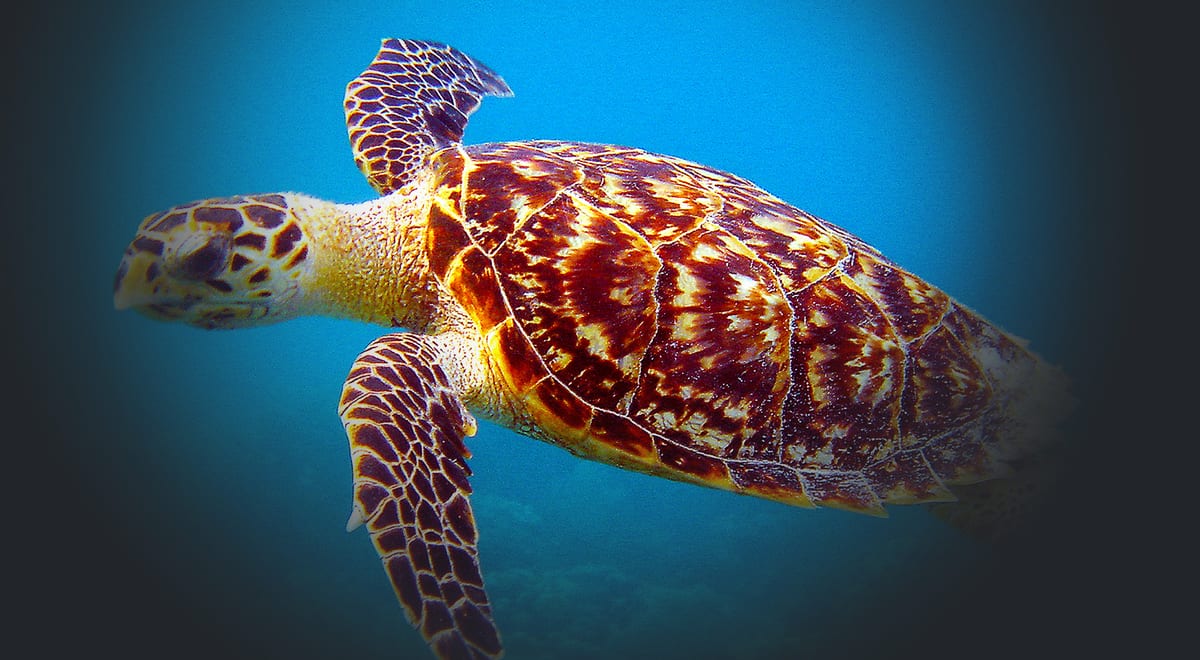
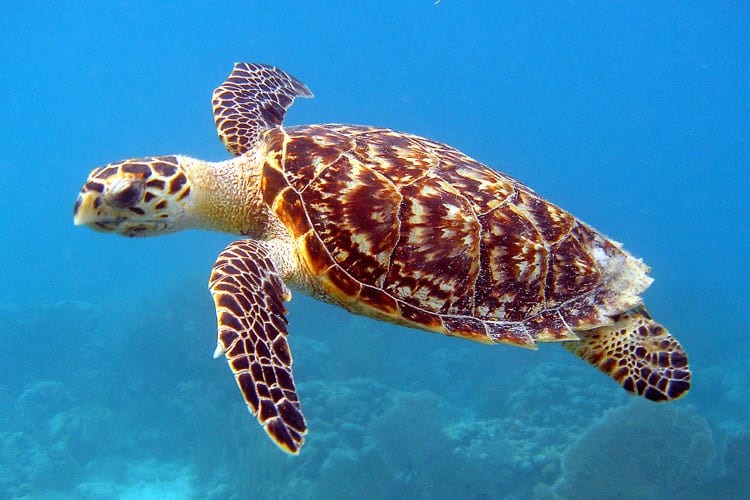
Critically endangered sea turtle of coral reef habitats; recognizable by its overlapping shell scutes.
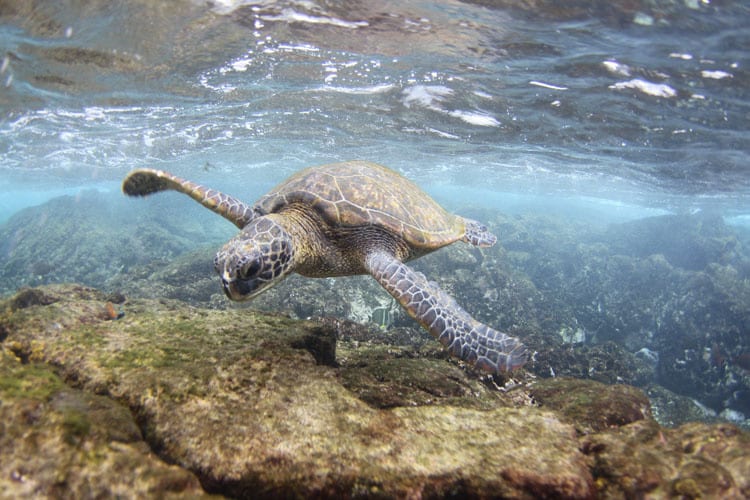
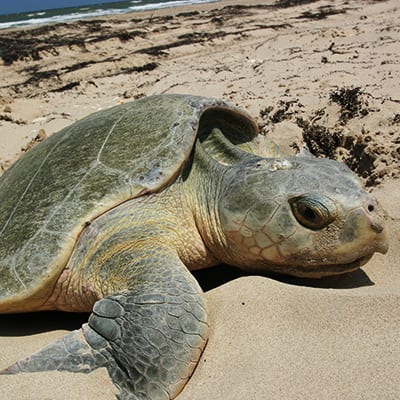
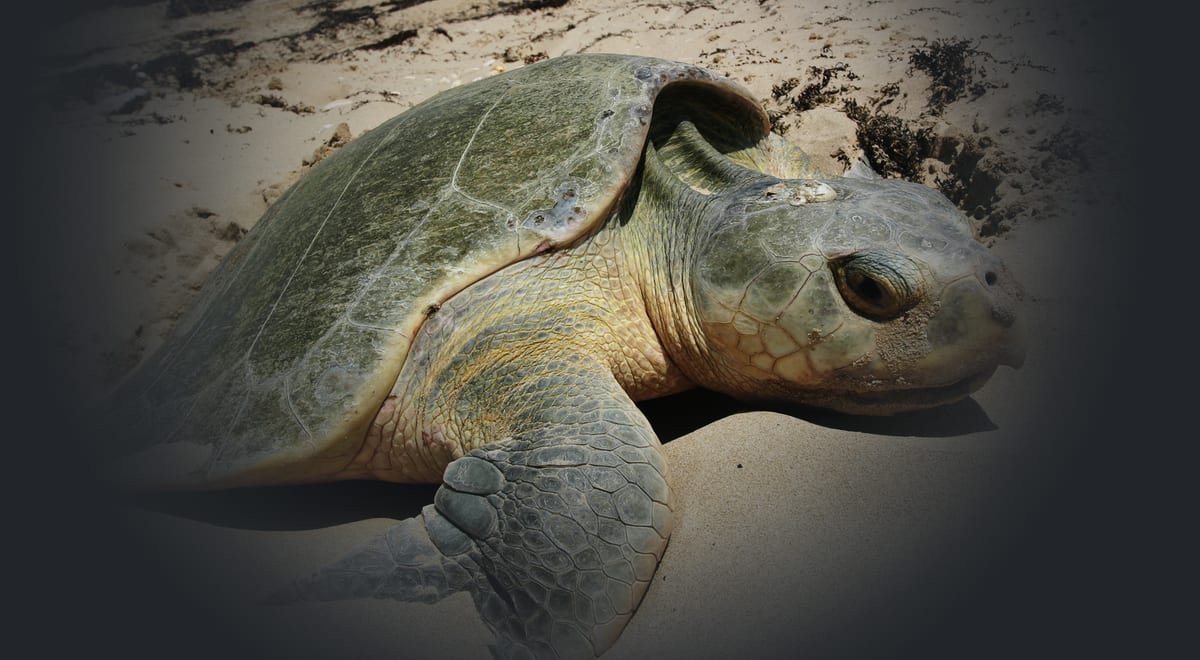
The smallest and most endangered sea turtle species; nests primarily on Gulf of Mexico beaches.
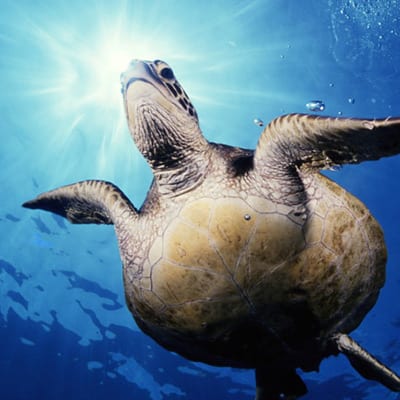
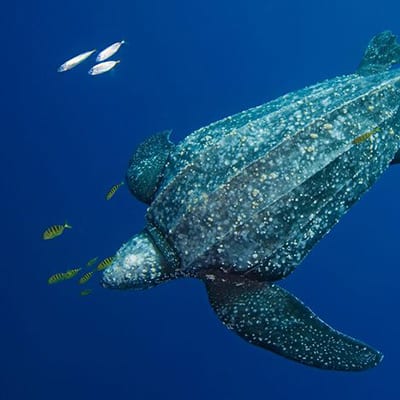
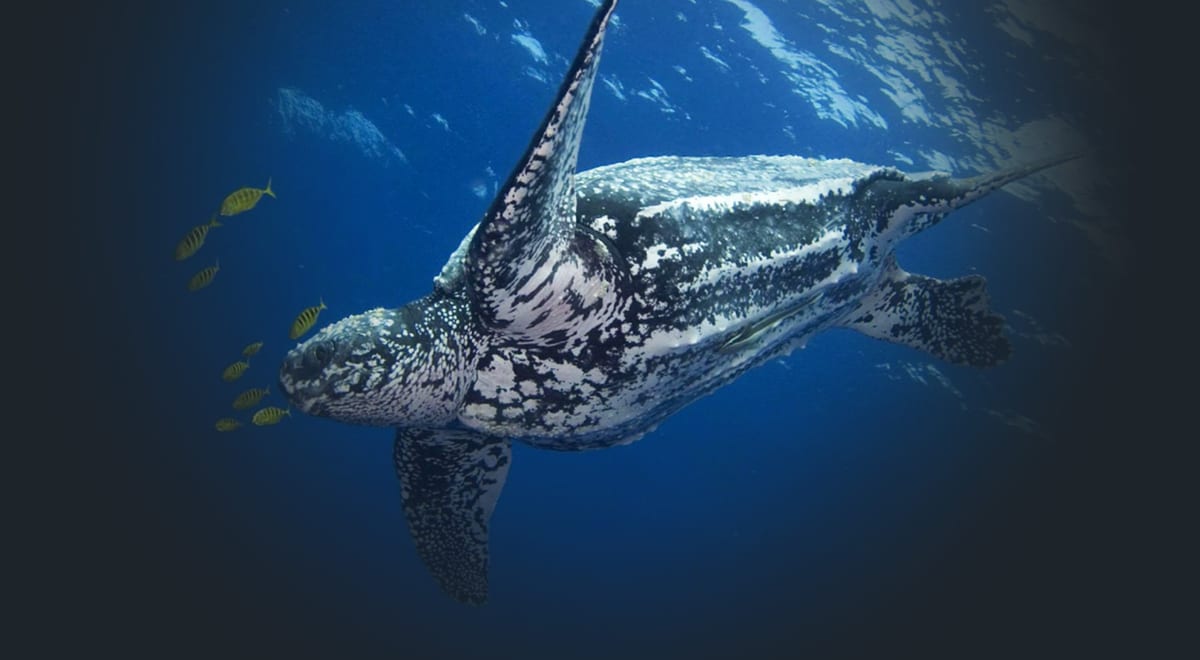
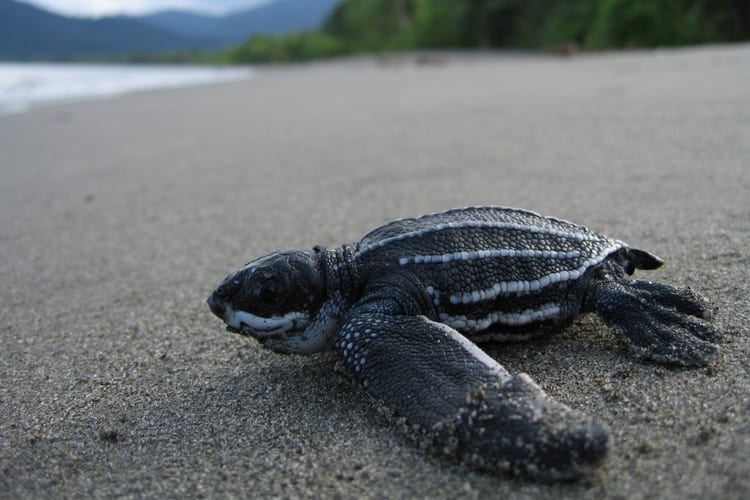
The largest sea turtle; ranges into colder waters than other species. Listed as endangered.
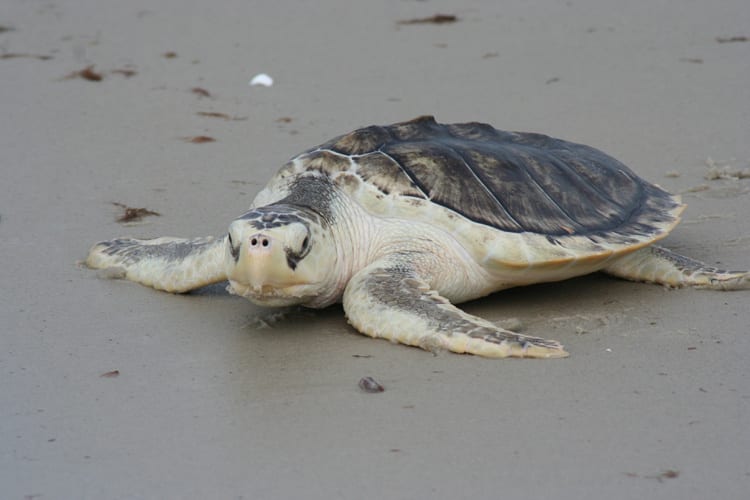
Common to the Atlantic and Gulf coasts; named for its large head. Listed as threatened.
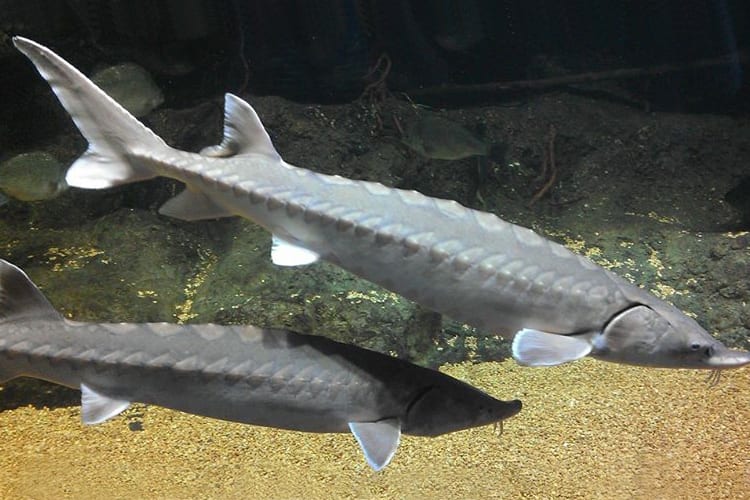
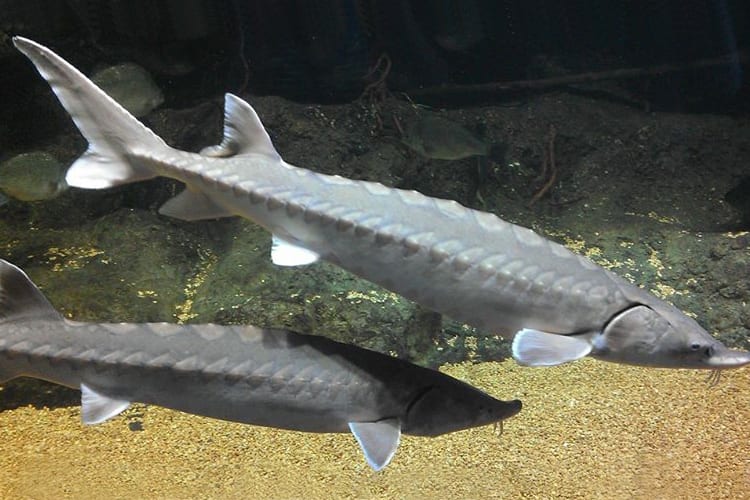
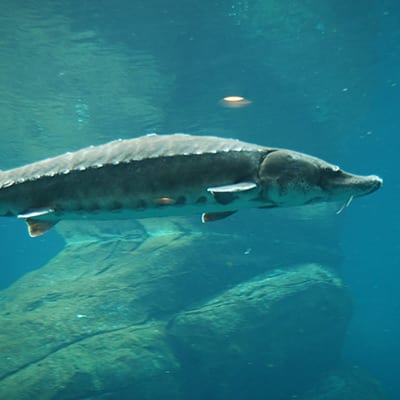
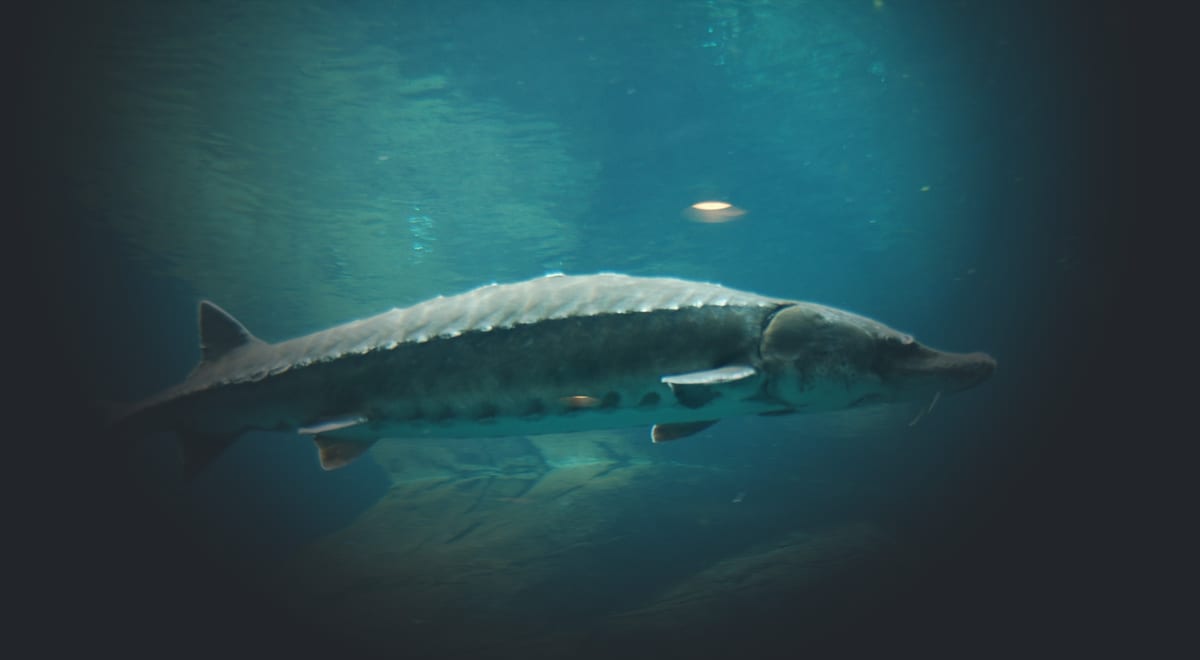
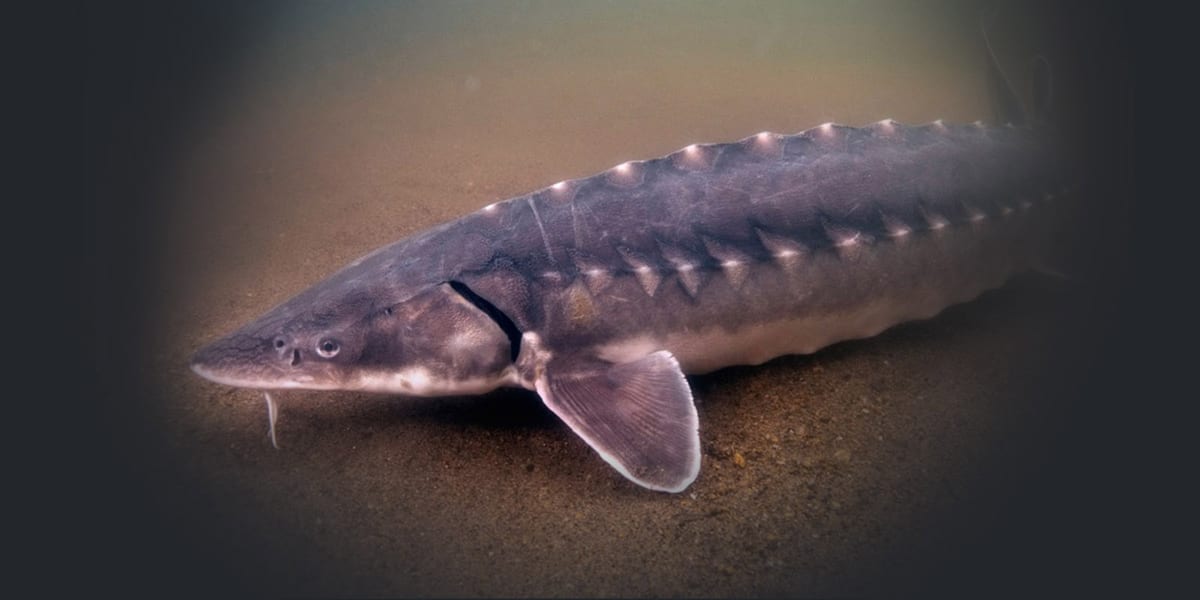
Sturgeon are anadromous fish that move between coastal waters and freshwater spawning rivers, putting them at risk during channel and river maintenance dredging. Pre-dredge relocation trawling, observer programs, and timing restrictions during spawning seasons are the primary mitigations.
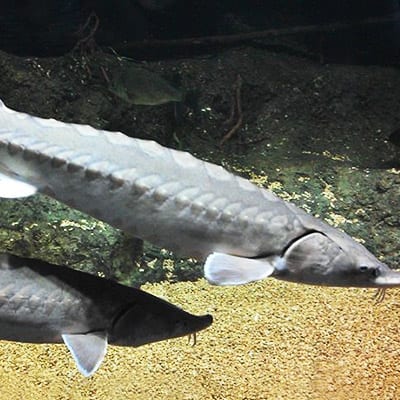
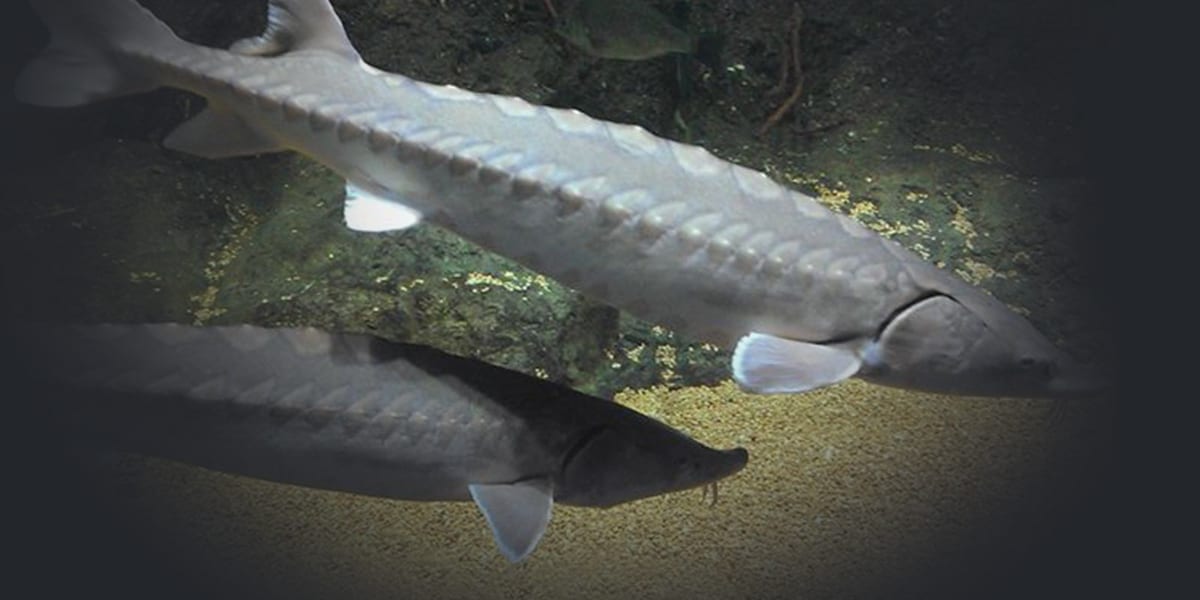
Long-lived anadromous fish that spawns in Atlantic coast rivers. Five distinct population segments are listed under the ESA.
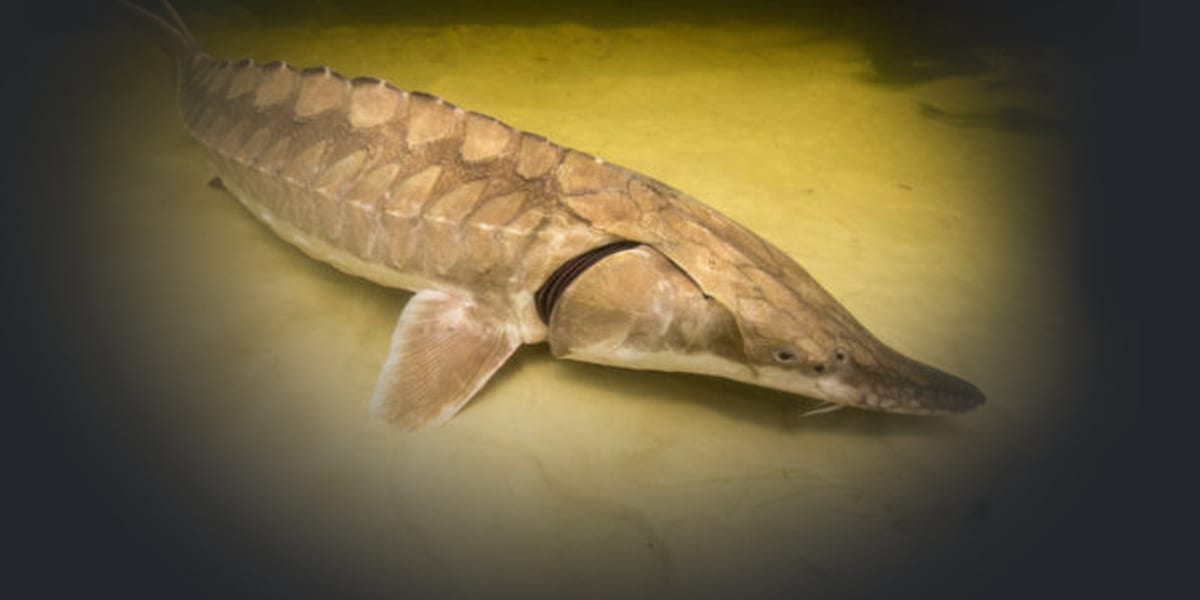
Threatened anadromous sturgeon found in Gulf of Mexico river systems from Louisiana to Florida.
Small, primarily freshwater sturgeon of Atlantic coast rivers. Endangered range-wide.
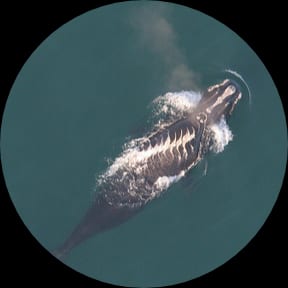
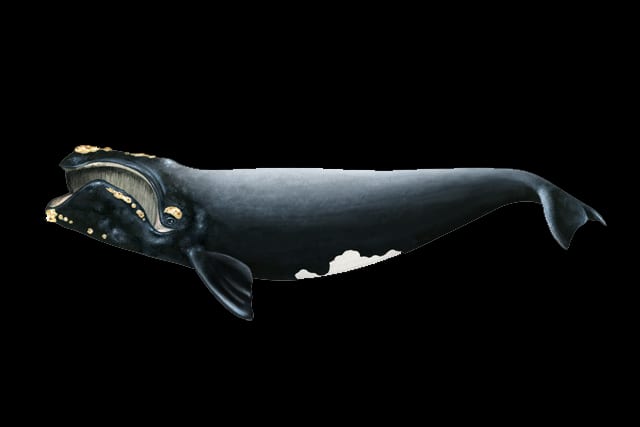
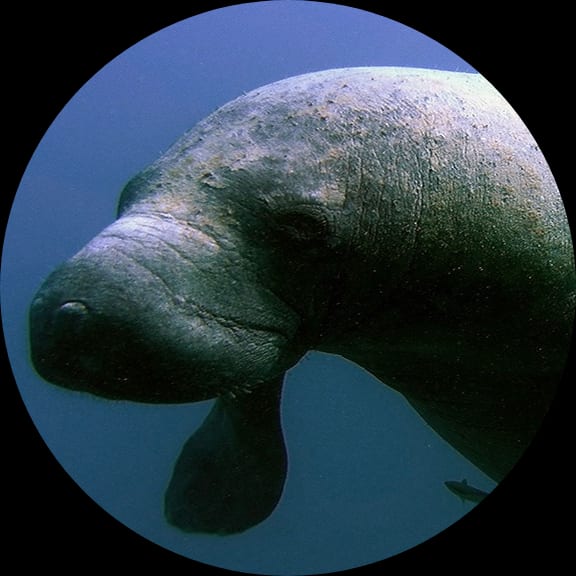
Marine mammals tracked through ODESS face primary threats from vessel strikes and acoustic disturbance. The North Atlantic right whale's coastal migration corridor overlaps with active dredging areas, while the West Indian manatee shares warm-water dredging environments throughout the southeastern U.S.
One of the most endangered large whales, with fewer than 400 individuals remaining. Vulnerable to vessel strikes.
Slow-moving aquatic mammal of warm coastal waters and rivers. Threatened under the ESA.
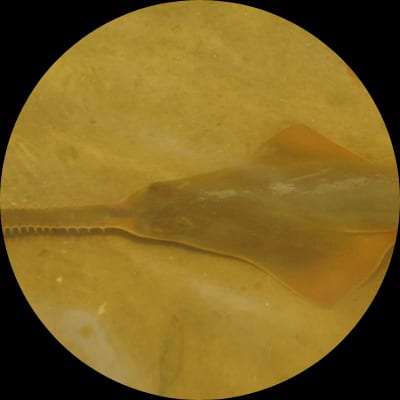
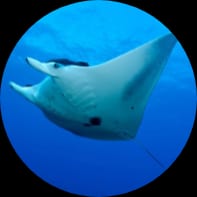
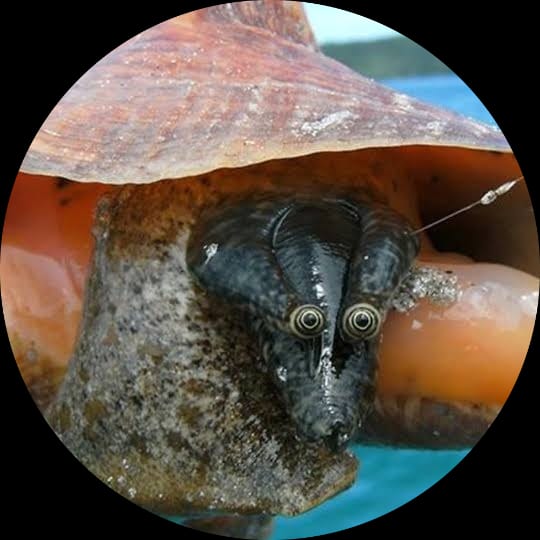
These species are encountered less frequently but remain protected under federal law during dredging operations. The smalltooth sawfish and queen conch occupy nearshore Florida and Caribbean waters, while the giant manta ray inhabits deeper offshore waters intersected by some dredging projects.
Distinctive ray-like fish with a tooth-lined rostrum; the only sawfish species native to U.S. waters.
The largest ray species; found in tropical and warm temperate waters. Listed as threatened in 2018.
Large marine snail of Caribbean reefs and seagrass beds. Listed as threatened in 2024.